Defend the Western Arctic

Now comes Earthjustice with an urgent appeal, relayed below:
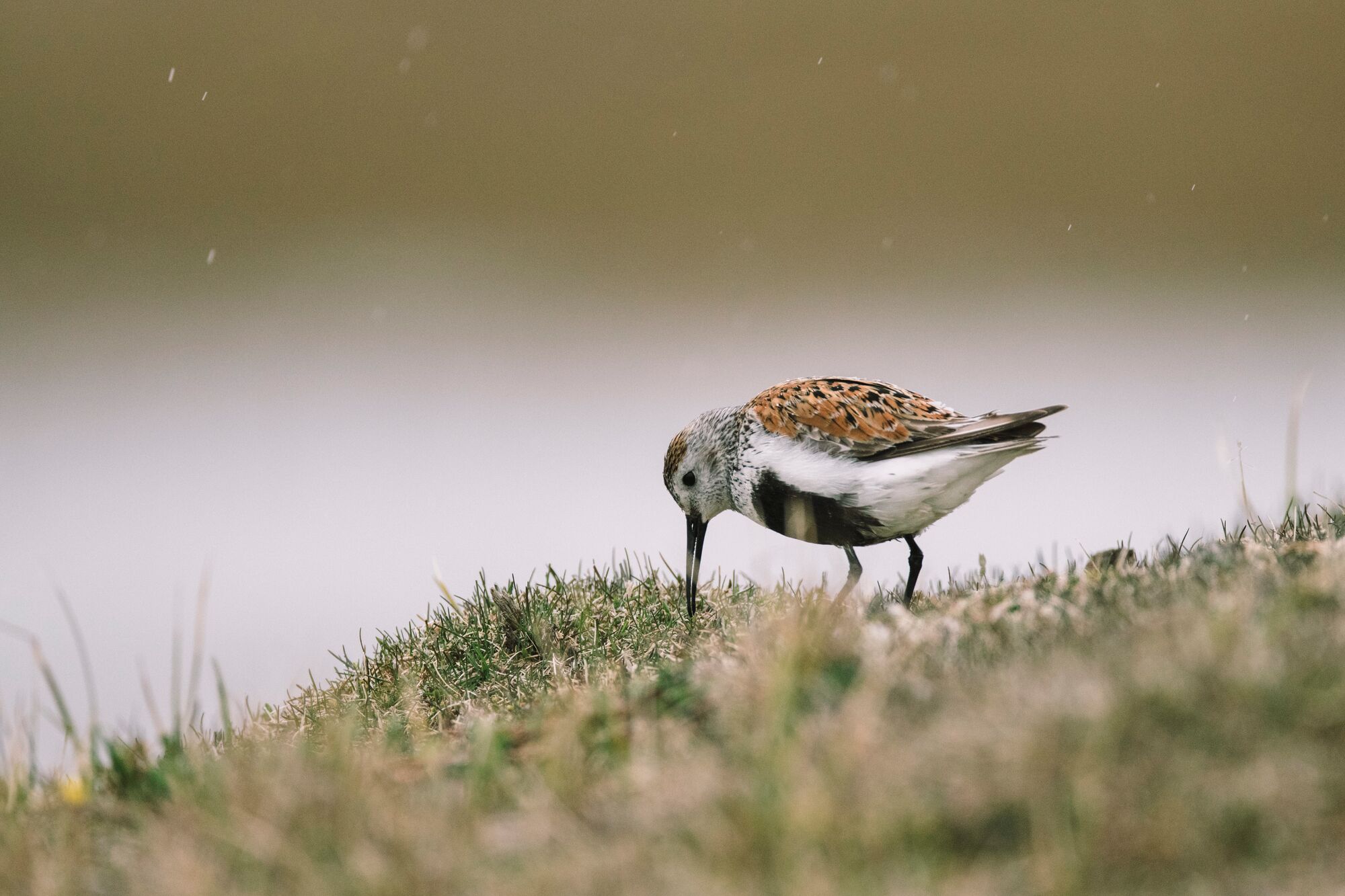
 

A dunlin searches for food among short green grasses in the Western Arctic, in the area close to Lake Teshekpuk.

A dunlin searches for food among short green grasses in the Western Arctic, in the area close to Lake Teshekpuk. (Kiliii Yuyan for Earthjustice)


Every spring, birds from every corner of the globe make their way to Alaska’s Western Arctic, the largest tract of public land in the United States. Some travel from South America, others from New Zealand or Southeast Asia, all converging on one of the most ecologically rich and remote nesting grounds in the world.

In the Teshekpuk Lake Special Area, yellow-billed loons glide across still waters. Long-tailed ducks, red phalaropes, and king eiders feed and breed in its wetlands. Shorebirds like dunlins and semipalmated sandpipers raise their young in the expansive tundra, while brant geese and snow geese gather in molting flocks along the lake’s edge.
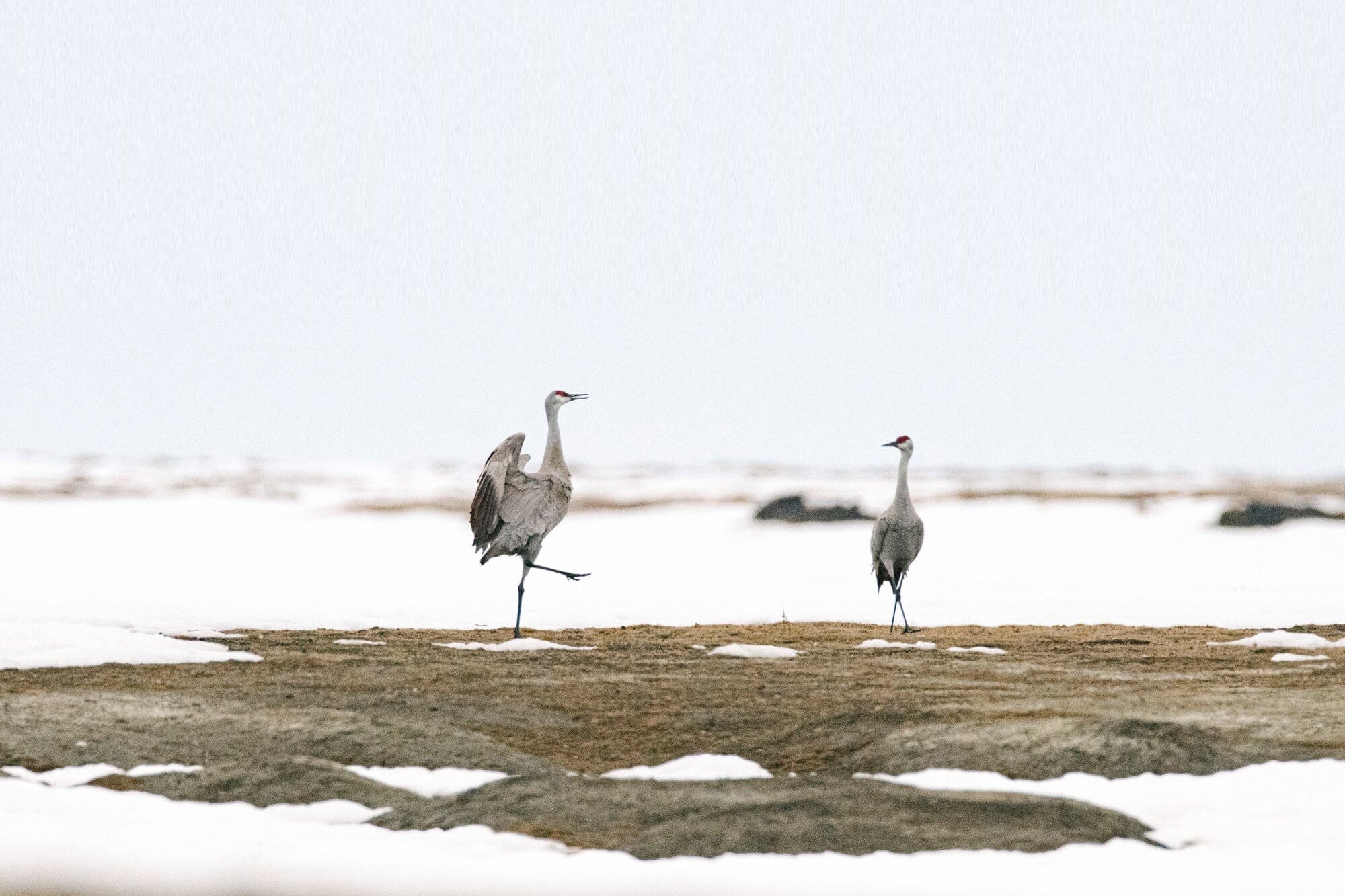
 

Two sandhill cranes dance in the Western Arctic, in the area close to Lake Teshekpuk.

Two sandhill cranes dance in the Western Arctic, in the area close to Lake Teshekpuk. (Kiliii Yuyan for Earthjustice)

This isn’t just a place of staggering natural beauty. It is a globally significant ecosystem that supports countless species, from migratory birds to caribou, polar bears, and Indigenous communities who have lived in relationship with this land for millennia. The Western Arctic also plays a critical role in stabilizing our climate: its permafrost stores vast amounts of carbon, and its reflective sea ice helps cool the planet. Protecting this region is essential not only for preserving biodiversity and Indigenous lifeways, but also for slowing global warming and avoiding the worst impacts of climate change.

But now, the Trump administration has proposed repealing key protections for this landscape to prioritize expanded oil and gas drilling.

The protections at risk were put in place to shield ecologically sensitive areas from harmful fossil fuel development. Rolling them back would fast-track drilling in some of the most fragile and valuable wildlife habitat in the country.

This is just the first step in a broader push to industrialize the Western Arctic and won’t be the last. The disastrous Willow project is located there, and the oil and gas industry has plans to continue expanding across the region, which will ultimately accelerate the climate crisis.

We have less than 60 days to raise our voices.

Tell the Department of the Interior: The Western Arctic is too important to lose. Repealing these protections puts wildlife, subsistence traditions, and our climate at risk. These lands must remain protected.


Comments are disabled.