A Critical Precedent

Mainstream media coverage of the extraordinary ruling in Held vrs. State of Montana was fragmentary, unfocussed and overshadowed by more ostensibly dramatic events in Hawaii and Georgia.

Though those events are also deeply related  to climate emergency and threats to democracy, we wish to underscore the significance of the Montana case, particularly in the court’s findings of fact. Below, excerpts from the press release issued by Our Children’s Trust on August 14:

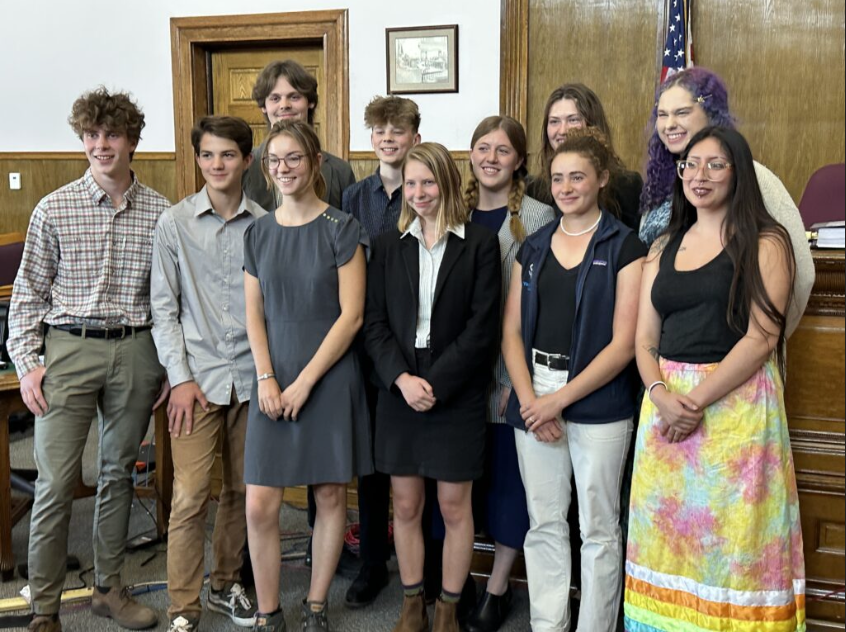
Helena, MT—In an historic first, Judge Kathy Seeley in the First Judicial District Court of Montana ruled wholly in favor of the 16 youth plaintiffs in Held v. State of Montana, declaring that the state of Montana violated the youth’s constitutional rights, including their rights to equal protection, dignity, liberty, health and safety, and public trust, which are all predicated on their right to a clean and healthful environment. The court invalidated as unconstitutional and enjoined Montana laws that promoted fossil fuels and required turning a blind eye to climate change. The court ruled the youth plaintiffs had proven their standing to bring the case by showing significant injuries, the government’s substantial role in causing them, and that a judgment in their favor would change the government’s conduct.

Read the full decision here.

In a 103-page decision, Judge Seeley’s Findings of Fact, Conclusions of Law, and Order set forth critical evidentiary and legal precedent for the right of youth to a safe climate, including these highlights:

● “Each additional ton of GHGs exacerbates impacts to the climate.”

● “Every additional ton of GHG emissions exacerbates Plaintiffs’ injuries and risks locking in irreversible climate injuries.”

● “Plaintiffs’ injuries will grow increasingly severe and irreversible without science-based actions to address climate change.”

● “Plaintiffs have proven that as children and youth, they are disproportionately harmed by fossil fuel pollution and climate impacts.”

● “The State authorizes fossil fuel activities without analyzing GHGs or climate impacts, which result in GHG emissions in Montana and abroad that have caused and continue to exacerbate anthropogenic climate change.”

● The order provides meaningful redress to plaintiffs’ injuries because “the amount of additional GHG emissions emitted into the climate system today and in the coming decade will impact the long-term severity of the heating and the severity of Plaintiffs’ injuries.”

● “The Defendants have the authority under the statutes by which they operate to protect Montana’s environment and natural resources, protect the health and safety of Montana’s youth, and alleviate and avoid climate impacts by limiting fossil fuel activities that occur in Montana when the MEPA analysis shows that those activities are resulting in degradation or other harms which violate the Montana Constitution.”

● “Montana’s contributions to GHG emissions can be measured incrementally and cumulatively both in terms of immediate local effects and by mixing in the atmosphere and contributing to global climate change and an already destabilized climate system.”

● “Montana’s GHG contributions are not de minimis but are nationally and globally significant. Montana’s GHG emissions cause and contribute to climate change and Plaintiffs’ injuries and reduce the opportunity to alleviate Plaintiffs’ injuries.”

● Court finds that Earth Energy Imbalance is the most critical scientific metric in determining climate stability and includes a graphic showing that 350 ppm was the level of CO2 where the Earth was last within energy balance. Allowing consideration of climate change “would provide the clear information needed to conform their decision-making to the best science and their constitutional duties and constraints, and give them the necessary information to deny permits for fossil fuel activities when inconsistent with protecting Plaintiffs’ constitutional rights.”

[…]

The youth plaintiffs claimed their lives and liberties were at stake, including their constitutional rights to a clean and healthful environment, to equal protection of the law, to individual dignity, and to safety, health, and happiness – and the responsibility of their state government to cease its actions that exacerbate the climate crisis, degrade Montana’s environment and natural resources, and harm the youth.

The youth plaintiffs in this case did not not seek money in their lawsuit. Instead, today’s ruling declared that state laws prohibiting Montana agencies from considering climate change or greenhouse gas emissions when permitting fossil fuel activities were unconstitutional. The laws declared unconstitutional and enjoined included laws passed during the 2023 legislative session. The legislative and executive branches will now be responsible for conforming their practices around fossil fuels to the judge’s ruling, including the admonition that “every additional ton of GHG emissions exacerbates Plaintiffs’ injuries and risks locking in irreversible climate injuries.”

The State has 60 days to decide whether to appeal the decision to the Montana Supreme Court.

Youth plaintiffs in the case were elated by Judge Seeley’s ruling and expressed immense gratitude to everyone who made this possible.

“This ruling, this case; it is truly historic. We are heard! Frankly the elation and joy in my heart is overwhelming in the best way. We set the precedent not only for the United States, but for the world.” – Kian, youth plaintiff

“I’m so speechless right now. I’m really just excited and elated and thrilled. I cannot believe the ruling. I’m just so relieved. I feel so grateful to have worked with every single person who has been involved in this. Everybody from Our Children’s Trust is just amazing. They’re all so wonderful. And I have so much love and appreciation for the other youth plaintiffs because they’re just so fantastic and such wonderful people. And we together have done this amazing thing and it’s just so wonderful.” – Eva, youth plaintiff


MONTANA YOUTH FIGHTING FOR THEIR LIVES

 
˜˜˜˜˜˜˜


Moon and Stars

Now comes our featured climate emergency “lifeboat” project for the summer, which we encountered during an extraordinary music festival on a remote hilltop meadow organized by the extended family and community at Fledgling Farmstead in Tunbridge, Vermont: Moon and Stars.

From their own website:

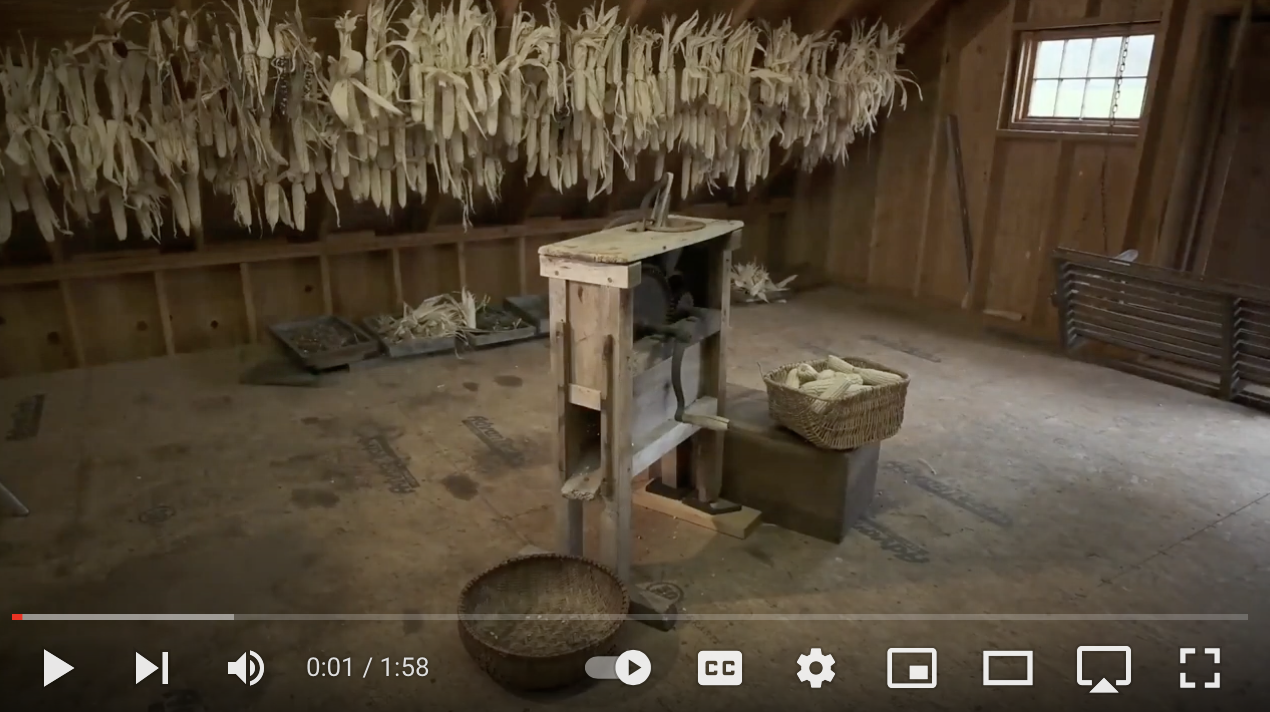
Moon and Stars is an organization based in Vermont’s Upper Valley. Our mission is to connect community, traditional food, and regenerative farming through heirloom corn and the arepa-making process. The organization strives to provide nutrient-dense and culturally vital food, while both engaging community in ancestral knowledge and creating new ideas about cultural and environmental sustainability.


An arepa is a round patty made of ground corn. Is a staple dish in Colombia and Venezuela. Traditionally arepas were made with heirloom native open pollinated corn specific to each region of the Andes. The characteristics vary by color, flavor, size, and thickness depending on the region. It can be topped or filled with vegetables, eggs, cheese, hogao (tomatoes, scallions sauted on olive oil), beans.

Over the last 50 years the tradition of growing heirloom corn to make the arepa has declined, as corn has become one of the world’s most commodified and genetically modified grains. With the aperture of the Free Trade Agreement in the 90’s Colombia went from producing one million hectares of corn down to 300,000 and started importing GMO corn from the US. We believe that significant cultural heritage around food has been exploited. The growth of conventional GMO corn has proven detrimental to waterways, ecological systems and biodiversity. Growing corn organically and sustainably can help to restore soil habitats through the process of regenerative agriculture, using cover cropping, rotational grazing and no-till processes. At the same time it brings back to life that part of our culture.

What if we could grow an heirloom corn, produce a traditional arepa and help regenerate ecology and community?

With our regenerative business model we believe that we can grow organic, heirloom corn, provide a high quality nutritional arepa, cultivate community and demonstrate a new way forward connecting regenerative farming practices and cultural traditions.

Connecting communities through traditional foods, music, education and cultural celebrations, we aim to build a regenerative community that supports a local economy. By partnering with like minded small farms and markets to source ethically grown produce to create our recipes, we are contributing to the resiliency of community, decreasing our dependency on industrial agriculture and thereby reducing our carbon footprints while co-creating a thriving, multicultural and just local food system.

___

___

Such projects provide a compass towards a new way of living with Mother Earth on the other side of the climate crisis.

How can the DP community help Moon & Stars become an ever-stronger and more vibrant lifeboat? Very easy, when in the vicinity of South Royalton, Vermont: buy their delicious artisanal arepas!

˜˜˜˜˜˜˜


Everywhere We Look

Here in New England, signs of what writer/ecologist Jeremy Lent calls “the First Extermination Event” are everywhere, above all in crashing avian and insect populations. Below, an excerpt from a 2021 essay first published in the vibrant pages of Resilience. Every word still rings true, as ominously silent summer meadows confirm.


˜˜˜˜˜˜


Hungry Ghosts

As Eileen Crist brilliantly documented back in 2019, deep-sea mining is not only a grim prospect for the future; it is a reality in the present via exploratory permits and temporary leases, perversely spun as essential for the fabrication of “green tech.” Crist writes:

In case you have never heard the term “hungry ghosts,” they are archetypal beings with extremely narrow throats and obese bellies, so that no matter how much they eat they never get enough. Never enough. Forever hungry. “Always encroaching,” in the words of Native American Shawnee Chief Tecumseh.

To refer to the vast oceans on Mother Earth as “the common heritage of humankind” in the midst of an accelerating extinction event, together with a deepening climate emergency, represents human supremacism at its most omnicidal extreme. In that same essay, Crist goes on to write:


HUNGRY GHOSTS DEVOUR THEIR LAST MEAL

We stand with the Deep-Sea Conservation Coalition and others who say NO to the terminal meal of the Hungry Ghosts. 

˜˜˜˜˜


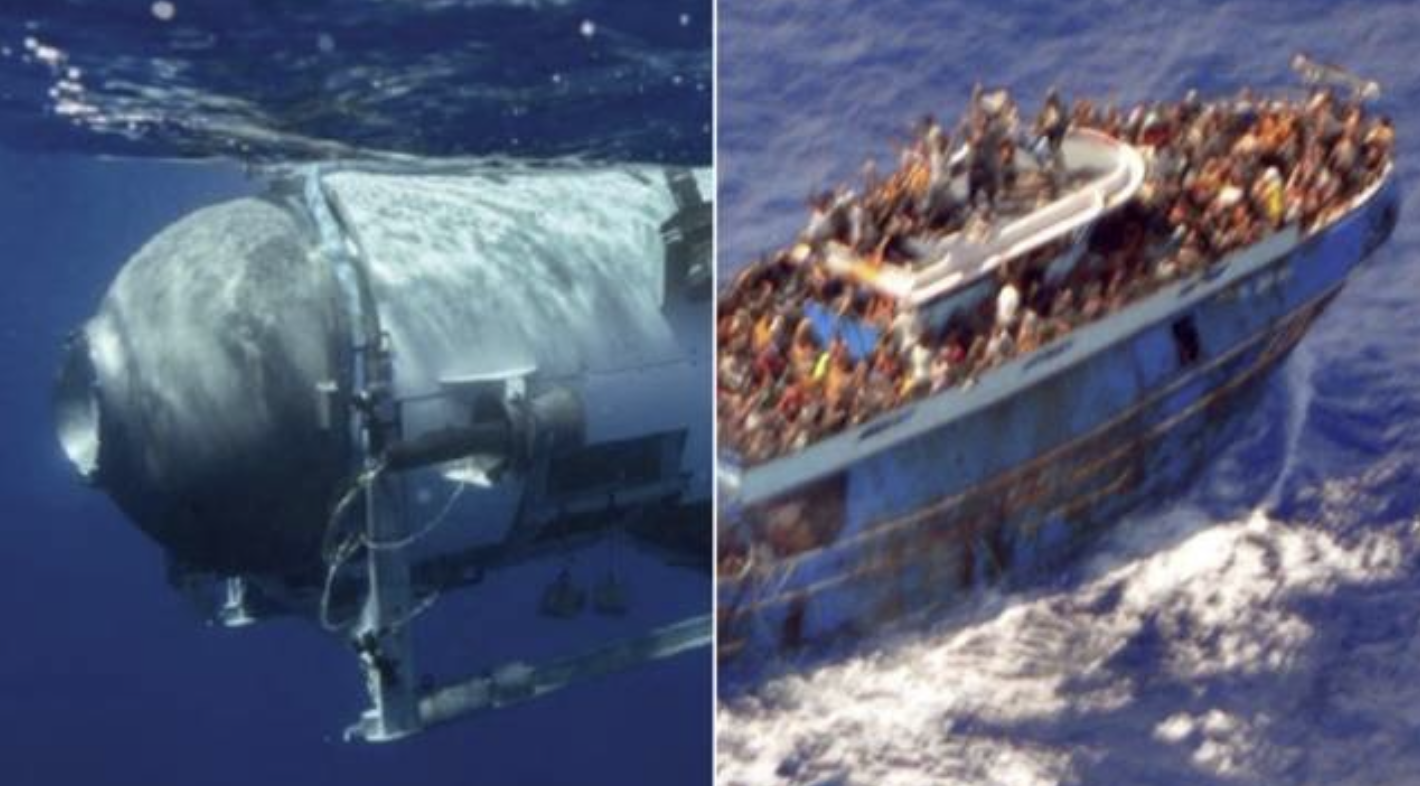
A Tale of Two Sinkings

Now comes Amy Goodman, with an introduction to a Democracy Now segment reflecting on the disparity of media attention between the implosion of Titan/ic delusions and the tragedy of the Adriana. The entire segment, linked via the image below, is worthy of close consideration.


˜˜˜˜˜˜˜


No Greater Atonement

Now comes Lebanese author and human rights activist Joumana Haddad with a few excerpts from an introduction to a series of vivid portraits and interviews with Lebanese artists, designers and even a chef. It strikes us that her comments will find resonance well beyond the borders of Lebanon.

No images: the linked portrait photographs speak very eloquently for themselves.

˜˜˜˜˜˜


Standing Strong

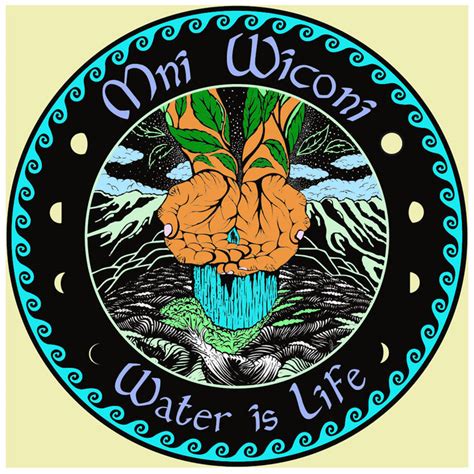
As the Memorial Day weekend unfolds, we simply relay the most recent message from Standing Rock Chairwoman Janet Alkire, regarding recent pipeline strategy:

We are preparing, once again, for battle. In 2016 and 2017, the NoDAPL camps here at Standing Rock grew to encompass tens of thousands of people and created an explosion of awareness of our Indigenous struggle on the frontlines of the water and climate crises. By standing strong together, we captured the world’s attention and ignited a powerful movement for Native and environmental justice. Now, as we ready to re-engage the legal fight to end the Dakota Access pipeline, it remains critical that we act with unity and purpose. In that spirit, I invite you to watch Standing Strong Together, the fourteenth chapter of our Dakota Water Wars video series, co-produced by Standing Rock Nation in partnership with the Great Plains Tribal Water Alliance and Lakota People’s Law Project.

The video highlights a recent pipeline strategy meeting we held at Standing Rock. Watched over by our ancestors, tribal leaders and water protectors gathered to discuss a new coordinated offensive, including a lawsuit and public comments barrage to challenge DAPL’s soon-to-be-released Environmental Impact Statement (EIS). Just last week, we held another meeting with Michael Connor, Assistant Secretary of the Army for Civil Works. We now have clarity that the EIS will become available for public comment at the end of June.

And that’s where you come in. We will need to flood the Army Corps with public feedback demanding a valid EIS. We already know this one, written by a firm beholden to Big Extraction, will be worthless. (The company hired to prepare the current EIS is a member of the American Petroleum Institute and argued against us at a DAPL hearing!)

It’s past time for the government to force compliance with the National Environmental Policy Act and stop the flow of oil through this illegally operational pipeline. As it has been since the very beginning of this movement, our fight is your fight. By stopping DAPL, and by opposing every incursion onto sacred lands by the fossil fuel industry, we can protect our communities and the Earth and water we all share. Your voice, and all voices, will be critical. Please stand strong together with us.

Mni Wiconi. Water is life!

Janet Alkire
Chairwoman
Standing Rock Sioux Tribe


˜˜˜˜˜˜˜˜˜


Of Circles and Soil

Now comes the radiant voice of Camille Dungy, in excerpts from a recent interview circling around the themes of Camille’s book, Soil: the Story of a Black Mother’s Garden. Images and captions added by DP.


A FAVORITE DP NARRATIVE STRUCTURE


SCORE FOR A GLORIOUS FIDDLEHEAD INCANTATION


˜˜˜˜˜


The Land’s Lament

We are grateful to a faithful DP correspondent for forwarding the below meditation from ecologist and pastor Andi Lloyd.

Lifeboat design and navigation begins with listening to the profound truth in the earth’s lament, and then transforming our collective grief into creative action.


The footnote: [1] Walter Brueggemann, Reality, Grief, Hope: Three Urgent Prophetic Tasks (Grand Rapids, MI: William B. Eerdmans Publishing, 2014), 57.


˜˜˜˜˜˜˜˜


Haec Dies

Above all else, during the time of the lifeboats, we shall need a joyful spirit of rebirth, wonder and divine regeneration.


˜˜˜˜˜˜˜˜