Author Archives: DP

Beauty and Sustainability

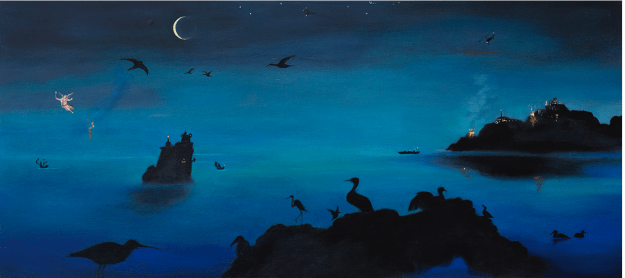
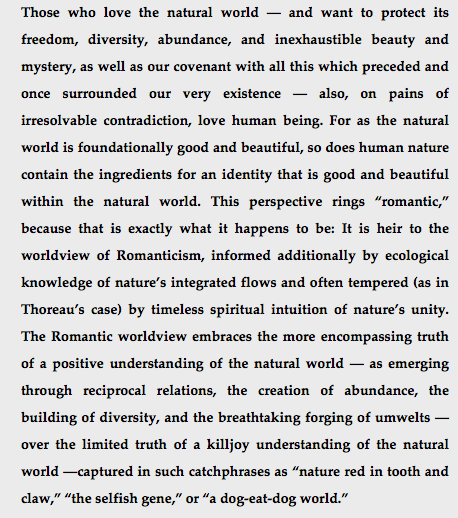
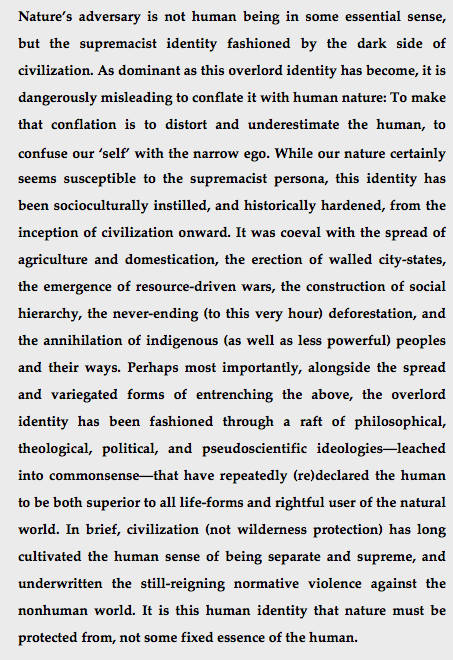
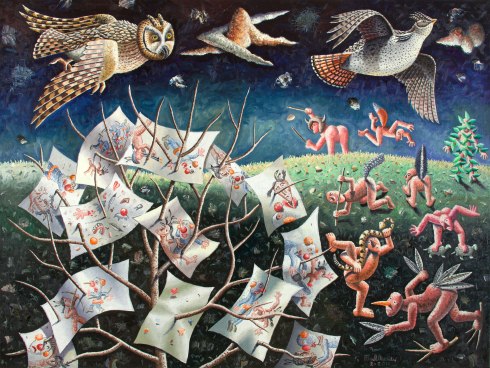
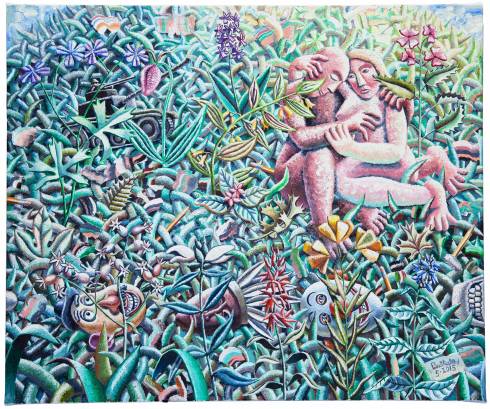
Now comes Sandra Lubarsky, Chair of the Department of Sustainable Development at Appalachian State University, with an essay first published in Tikkun magazine in 2011, and excerpted below. The images are from the studio of Gail Boyajian, whose work unabashedly sustains and celebrates the life-affirming exuberance of beauty.

DAWN REFLECTIONS

DUSK REFLECTIONS

˜˜˜˜˜

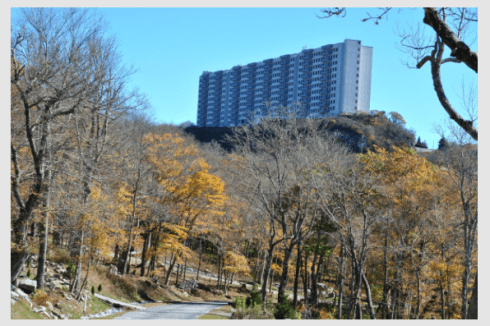
Professor Lubarsky expands on these ideas in a conference lecture that includes a critique of human supremacist aesthetic relativism that results in mindless celebrations of ugliness, as exemplified by the obscene Sugartop condo development excreted by shameless developers upon a once-beautiful Appalachian ridgeline.

EGO DUMP ON DISTANT RIDGE

Returning once more to the words of Sandra Lubarsky:


Toxic Dominion

We are indebted to a faithful DP correspondent for steering us to an excellent 2014 lecture presented by Eileen Crist, in which she articulates a concise overview of what she calls the Human Supremacy Complex, or toxic anthropocentrism.

Professor Crist begins with a reference to an October, 2013 article published in The Economist reporting on a clot of jellyfish inside cooling pipes at a Swedish nuclear reactor, a report that swiftly mutates into an infomercial for a new technology named with the perverse acronym JEROS: Jellyfish Elimination Robotic Swarm. According to its creator, JEROS will chew through even the most exhuberant clot of jellies, and thus keep our nuclear reactors humming.

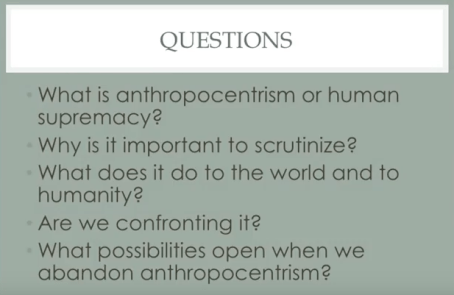
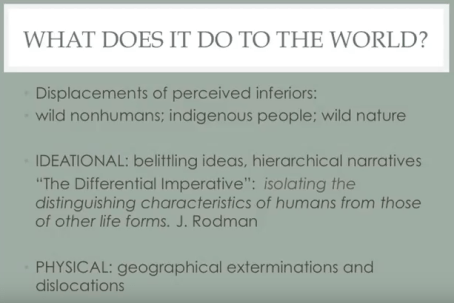
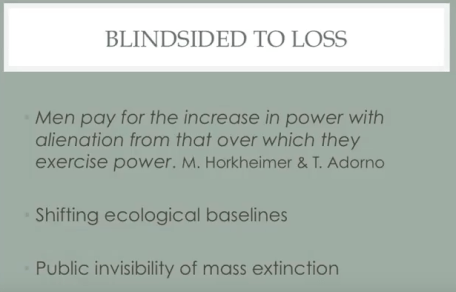
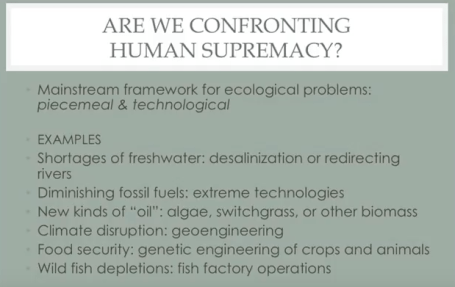
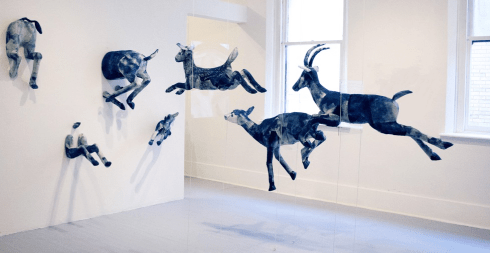
The entire lecture is linked below, followed by a montage of her slides that convey a useful summary of core questions and arguments. The final image is taken from The Herd, an installation project by Tasha Lewis, whose studio we shall revisit in future posts.

tl6

THE HERD

˜˜˜˜˜

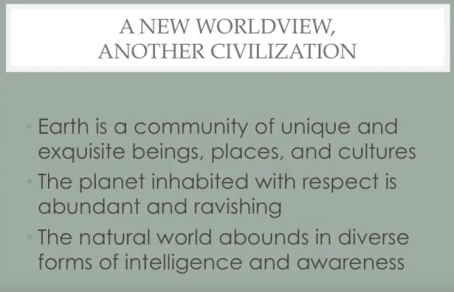
If we refuse to learn how to live responsibly within this “community of unique and exquisite  beings”, clinging to the delusion that no matter what ruinous consequence we inflict upon the natural world, our clever technologies will always save us: we shall be obliterated.

Though JEROS robochops jellyfish into mush, it will take more than robot swarms to chew through the lethal clot of our own hubris and arrogance, such that we might embrace the “abundant and ravishing” planet, “inhabited with respect.”


An Unbroken Loveliness

Now comes Eileen Crist, with excerpts from her brilliant essay, I Walk in the World to Love It; images are from the Aviary of Sara Angelucci.

The quotation from Mary Oliver descends from her essay, Waste Land: An Elegy. Here are the lines that follow:

maryoliver


The Shattering Wonder

This week we return to the work of David Abram, in his masterful recuperation of embodied knowledge, Becoming Animal; excerpts from the introduction below, interwoven with images from the studio of Morgan Bulkeley.

WHERE LATE THE SWEET BIRDS

SPRING AND RUMBLINGS

VENUS AND SPATS


The Incident Commander

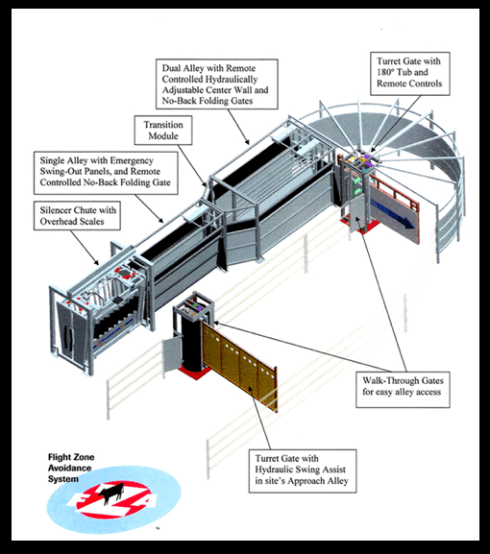
Grizzly Times publisher Louisa Willcox bears witness to the National Park Service “management” of bison deemed excess to requirements; images added by DP.

THE SILENCER

SCORE FOR THE BUFFALO REQUIEM

THE INCIDENT COMMANDER SURRENDERS TO THE UNTHINKABLE


In the Depths

Now comes the Alliance for Wild Ethics, or AWE:

“A consortium of individuals and organizations working to ease the spreading devastation of the animate earth through a rapid transformation of culture. We employ the arts, often in tandem with the natural sciences, to provoke deeply felt shifts in the human experience of nature. Motivated by a love for the more-than-human collective of life, and for human life as an integral part of that wider collective, we work to revitalize local, face-to-face community – and to integrate our communities perceptually, practically, and imaginatively into the earthly bioregions that surround and support them.”

AWE is directed by David Abram, whose Spell of the Sensuous should be on the bookshelf of every DP reader. We excerpt his 2005 explication of Depth Ecology below, with a couple of images from Jo Whaley’s exquisite Theater of Insects.

da2

jw1

da2

jw2

jw3

Declaiming that American pipelines will be made from American steel brings waves of ecstatic applause from the sleepwalking “elites”, lost in the narcotic haze of their violent pipedreams; yet the deep truth that our own intelligence is entangled with — and dependent upon — the wild intelligence of the wolves and wetlands that we hunt and desecrate fails to move us from the path of hubris and delusion.


Look Under Foot

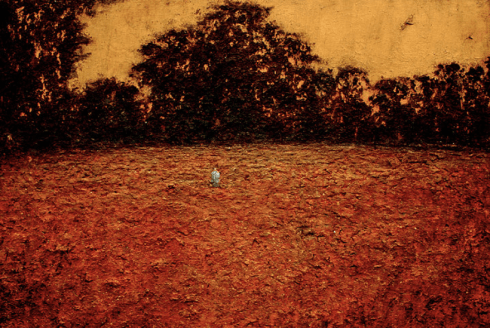
Faced, or rather footed, with an absurdly early mud season here in New England, we excerpt an essay by John Burroughs first published in The Atlantic in 1908. The images are from a series of dirt paintings by Donald Bracken.

jb1

db3

jb2

db4

jb3]db5

jb4


Radical Wisdom

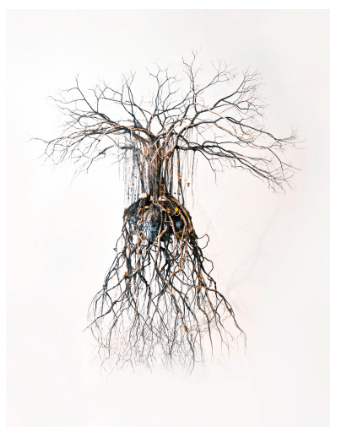
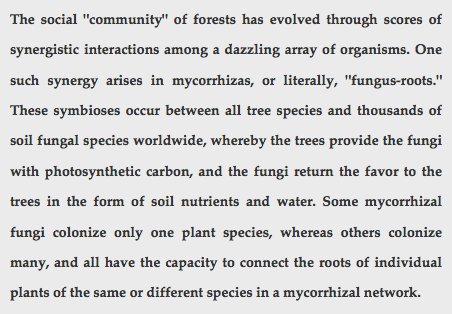
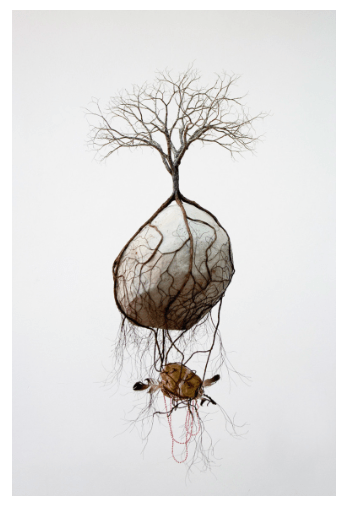
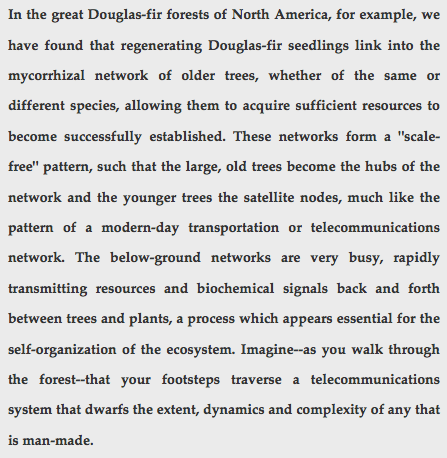
Digging more deeply into the theme of the sentient forest, we turn to an essay by ecologist Suzanne Simard published in 2015 by SGI Quarterly, excerpted below. The images are from the studio of Jorge Mayet.

ss1

lm4

ss2

jm1

ss3

jm3

ss4

jm2

[….]

ss5

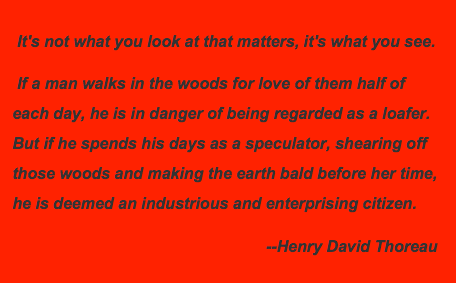
hdt1


The Sentient Forest

Despite copious evidence to the contrary, many technologically advanced humans cling to the belief that they embody the pinnacle of evolutionary biology. Once we accept the possibility that such deadly arrogance is misplaced, we might open our selves to the living world beyond and beneath us, and learn from far more evolved beings such as trees in their forests, or what survives of them after hundreds of years of human extraction.

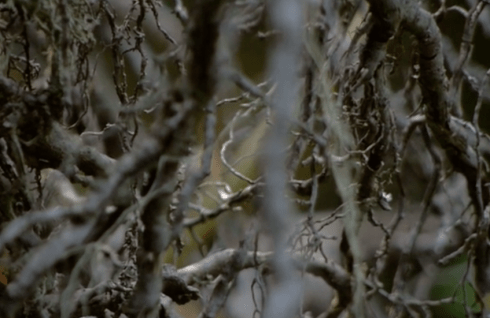
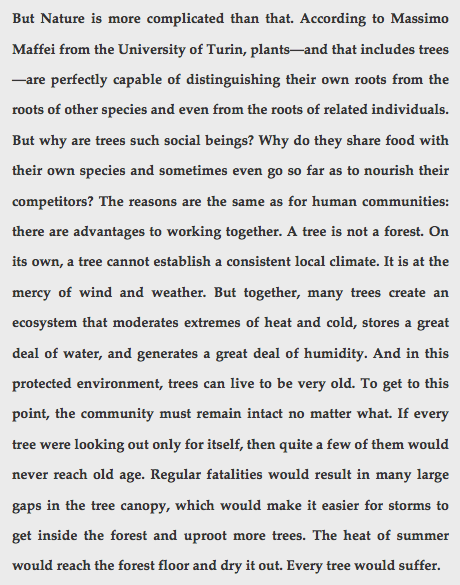
Consider the following excerpt from Peter Wohlleben’s pioneering book, The Hidden Life of Trees. Images are pinged from the trailer for the important new documentary, Intelligent Trees.

hlot1

it2

hlot2

it1

hlot3

Many humans suffer from the delusion that whatever they senselessly eradicate can be replaced with clever inventions, like — in the most recent perverse iteration — robobees. Scientists like Wohlleben and Suzanne Simard blaze a different path, one long embraced by surviving remnants of indigenous cultures, those the “advanced” humans have not obliterated. Guided by a deeper understanding of our living world, can we find the courage and wisdom to follow it?

fpath


From Spirals to Bunkers

Among the vast troves of scientific data and analysis threatened with deletion or exclusion by those who prefer to live in a fantasy world, we single out the below animation created by Jay Alder of the U.S, Geological survey, with its accompanying caption:
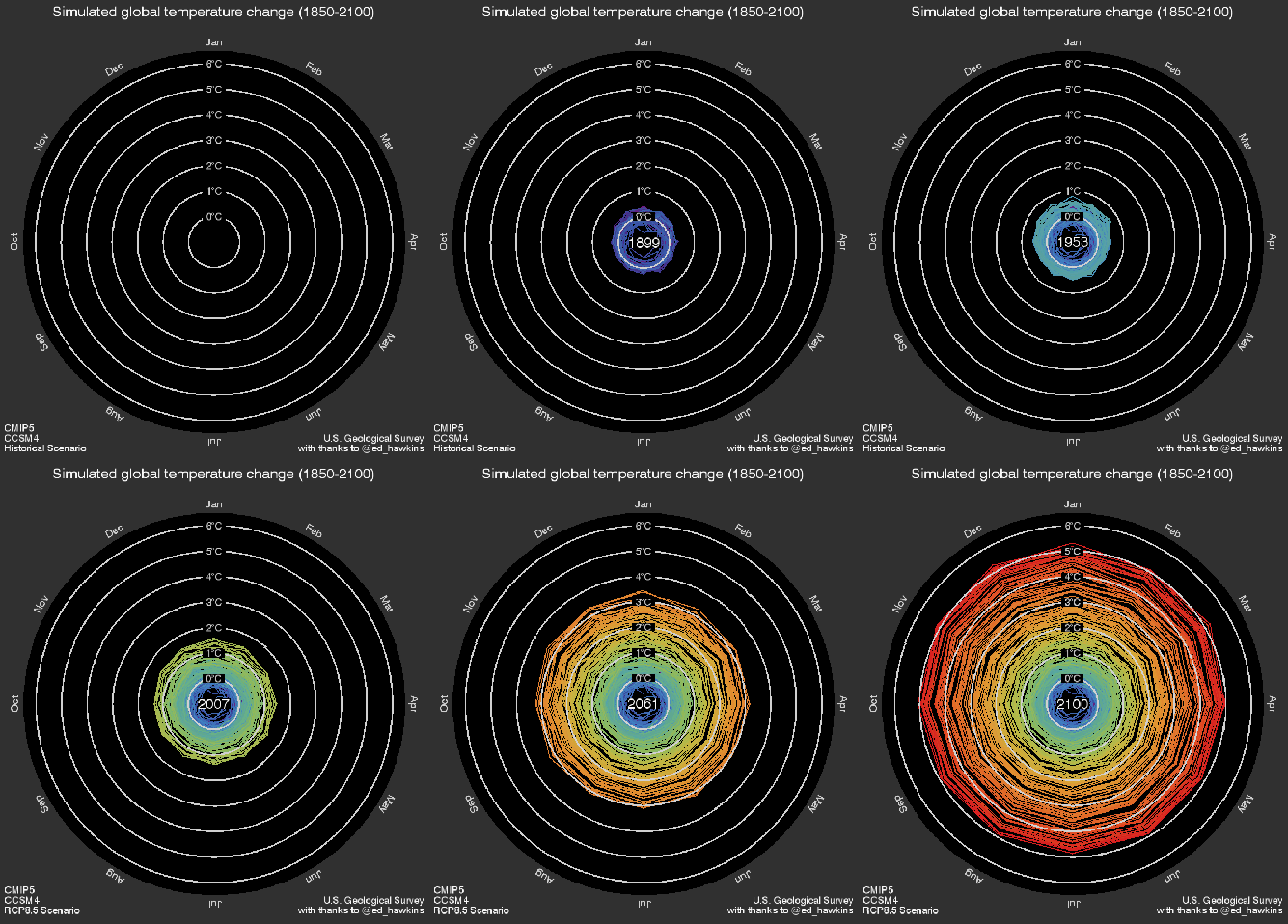
ccsm4_rcp85_global_temperature_change_spiral

This animated spiral portrays the simulated changes in the global averaged monthly air temperature from 1850 through 2100 relative to the 1850 – 1900 average. The temperature data are from Community Climate System (CCSM4) global climate model maintained by the National Center for Atmospheric Research. The simulation is for the IPCC Representative Concentration Pathway 8.5 (RCP8.5) emission scenario. RCP8.5 is the most aggressive scenario in which green house gases continue to rise unchecked through the end of the century, leading to an equivalent of about 1370 ppm CO2, which is roughly four times the concentration at present. The CCSM4 simulation is part of the 5th Climate Model Intercomparison Program (CMIP5) and the data can be downloaded at https://pcmdi.llnl.gov/projects/cmip5/. The 21st century animations are an extension of the graphic (http://www.climate-lab-book.ac.uk/2016/spiralling-global-temperatures/) for the 1850-2010 observed air temperature created by E. Hawkins at Reading University, UK.

˜˜˜˜˜

We are indebted to a DP correspondent for steering us to a second graphic death spiral, depicting changes in arctic sea ice volume:

piomas

˜˜˜˜˜

And from our friends at Arctic News, we receive the following updated projection and analysis:

temps

“Above forecast for February 6, 2017, shows that temperatures over parts of the Arctic Ocean will be as much as 30°C or 54°F higher than they were in 1979-2000. How can it be so much warmer in a place where, at this time of year, little or no sunlight is shining? The Arctic Ocean is warming particularly rapidly due to a multitude of feedbacks, some of which are illustrated on the image below.”

feedbacks

˜˜˜˜˜

Feedback loops are accelerating, leaving very little wriggle room for alternative facts. At some point, the feedback spiral turns into a target for a species that will not be able to escape.

jjtarget

JASPER JOHNS, TARGET, 1974

˜˜˜˜˜

Finally, we note that building bunkers in faraway places has become fashionable among the “Future Forward” billionaires who would rather cut and run then face the implications of their various hubristic fantasies.

Former Reddit CEO Yishan Wong comments, “The tech preppers do not necessarily think a collapse is likely.They consider it a remote event, but one with a very severe downside, so, given how much money they have, spending a fraction of their net worth to hedge against this is a logical thing to do.” Oh my, how far the mighty shall fall….
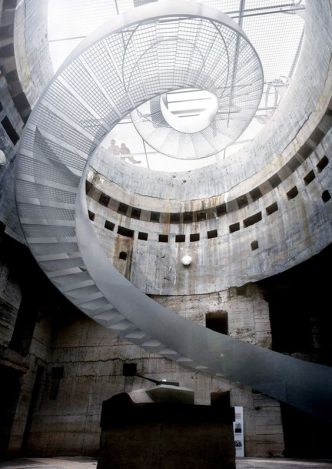
HOW FAR DOWN DO WE HAVE TO GO?
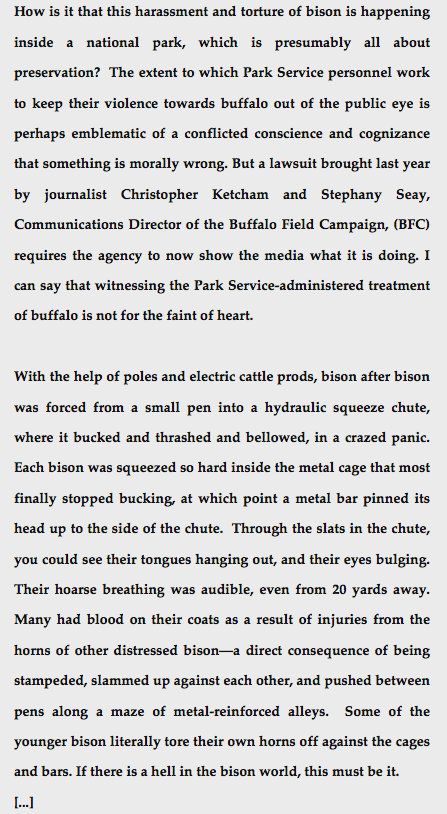
HOW FAR, THE DOWNSIDE?