Category Archives: bearings

Operation Deathstar

Here at DP, we have long proposed that human supremacism – treating all other life forms as objects for our use – is at the heart of all that ails us. Factory farms represent industrialized human supremacism in one of its most extreme and cruel forms.

This week, we are pleased to relay a recent post from the animal rights non-profit Right To Rescue:

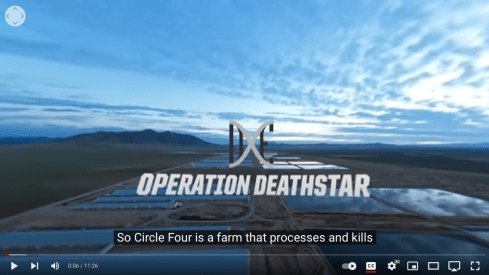
In 2017, DxE investigators infiltrated a massive pig farm  in the Utah desert, a facility owned by Smithfield/WH Group, the world’s largest pig killing company. This one Smithfield farm is 20 miles long with over 300 barns on site. The investigators filmed the conditions inside in 360 degree virtual reality footage. Their footage, titled “Operation Deathstar,” documented row after row of mother pigs crammed inside gestation crates barely bigger than their bodies and piles of dead piglets covered in their mothers’ feces.

The investigators rescued 2 sick piglets, Lily, who had a severe leg injury, and Lizzie, who was malnourished and nursing on a shredded nipple. They took Lily and Lizzie to a sanctuary to receive care. Then, they published the whole investigation and rescue online and in the New York Times to show the world the nightmarish cruelty happening inside Smithfield’s farms. The story went viral when the FBI started hunting for the piglets, raiding sanctuaries and even cutting off part of a pig’s ear to do DNA testing.

DxE investigators Wayne Hsiung and Paul Darwin Picklesimer went to trial October 3-7, 2022 in Washington County, Utah. On Saturday, October 8, after a full day of deliberations, the jury of 8 people unanimously found Wayne and Paul NOT GUILTY on all charges for rescuing Lily and Lizzie from Smithfield. Together, we have just set a powerful precedent for the legal right to rescue animals from abuse.


Next, excerpts from a recent interview with Wayne Hsuing following his acquittal on all charges:


Finally, a link to the video that documented the alleged “crimes” for which Pickelsimer and Hsuing were arrested:


˜˜˜˜˜˜


Women, Life, Freedom

With an ear bent to protests in Iran and around the world following the brutal torture and murder of Mahsa Anini, we offer the below excerpts from a lucid op-ed written by Roja Fazaeli, Associate Professor in Islamic Civilizations at Trinity College in Dublin, and Maryam Foumani, an Iranian-British journalist.


˜˜˜˜˜


Language In Tune

This week, we tune our ears to a second voice from the Harvard Divinity School’s Religion & Public Life program: Cynthia Wilson, the RPL Fellow for Native and Indigenous Rights. Below, she illuminates the “burning question” that brought her to HDS.


˜˜˜˜˜


Listen To the Margins

Now comes Deborah Jian Lee, a journalism Fellow at Harvard Divinity School’s timely and compelling Religion & Public Life program (RPL). Lee is an author and journalist working at The Economic Hardship Reporting Project, which covers economic inequality in America.                                                   

During a recent online “Voices” forum at RPL, Lee was asked for the one “burning question” that frames her time within the program; below, a transcript of her illuminating response, together with a video link. 


˜˜˜˜˜˜


Imperial Imperatives

This week, for reasons that we are sure need not be scribed here, we bend an ear to the distinguished historian Caroline Elkins, author of Legacy of Violence: A History of the British Empire. Excerpts from a recent interview below.

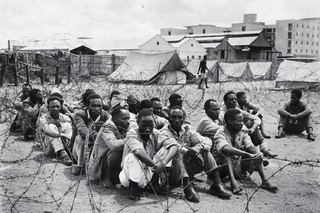
The image documents the detention of alleged participants in the so-called Mau Mau Rebellion, with a caption added by DP.


THE CIVILIZING PROCESS


˜˜˜˜˜˜˜


Wounded By Time

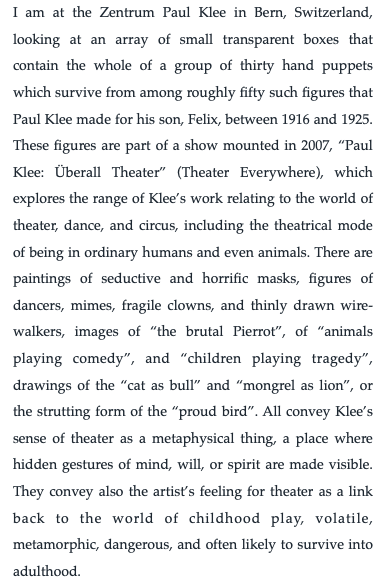
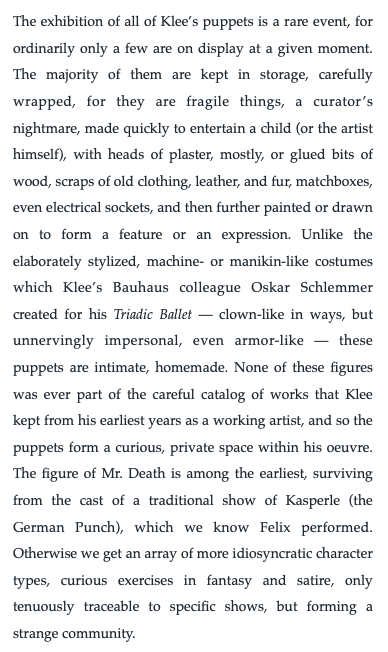
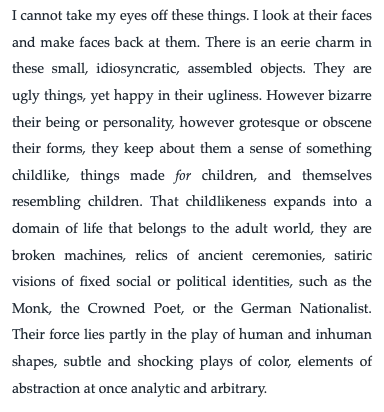
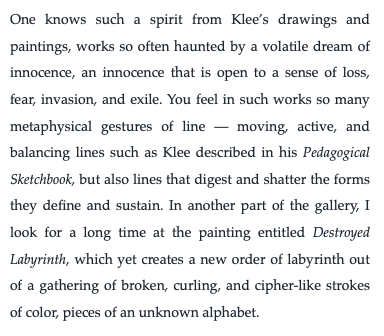
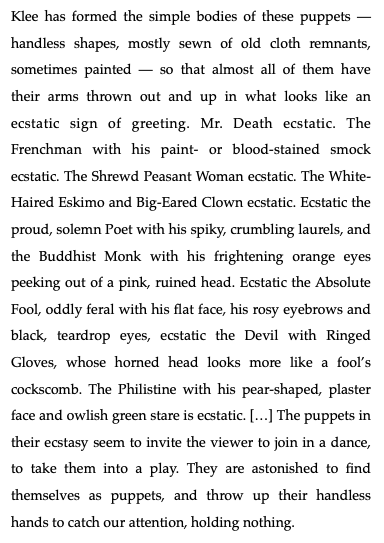
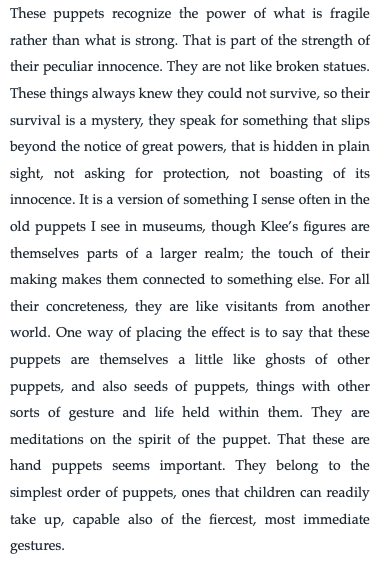
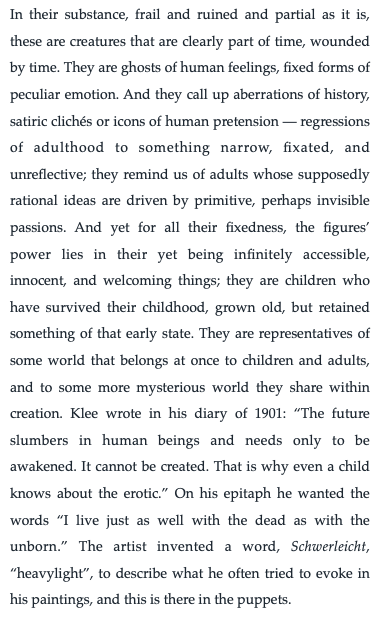
We are grateful to a DP correspondent for steering us to a beautifully conceived essay, hidden within the vast archives of the Public Domain Journal. and written by distinguished professor Kenneth Gross, whose most recent book, Dangerous Children: On Seven Novels and a Story, will be published this autumn.

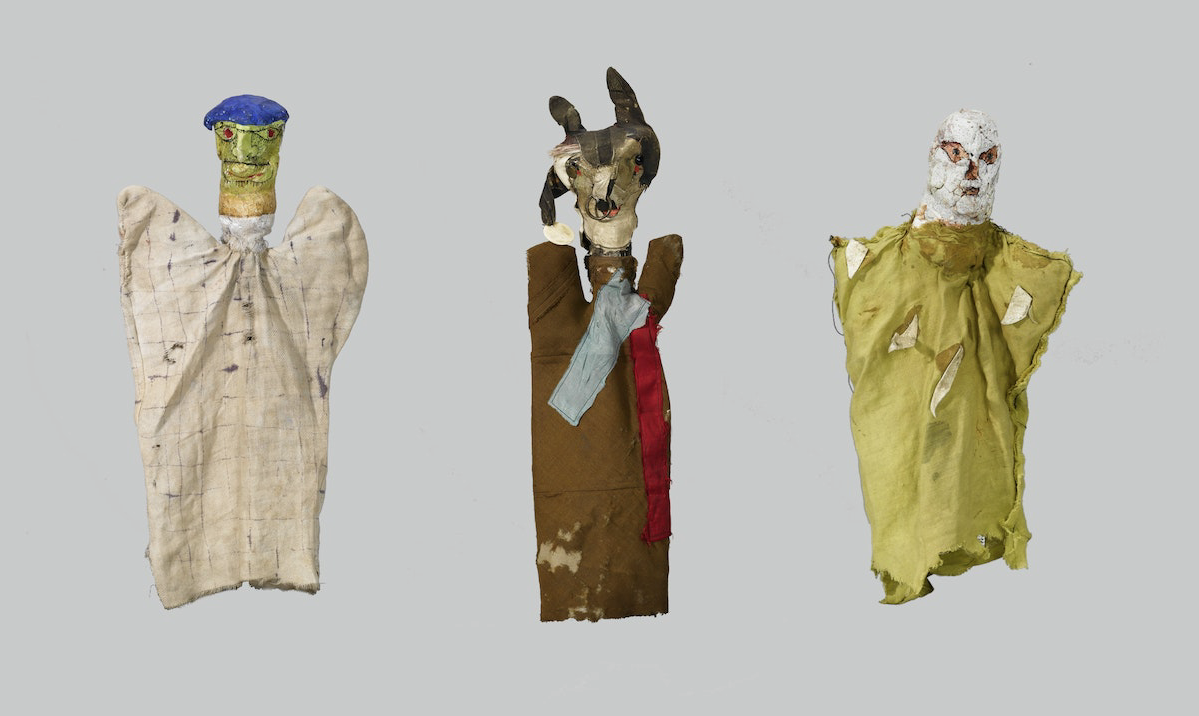
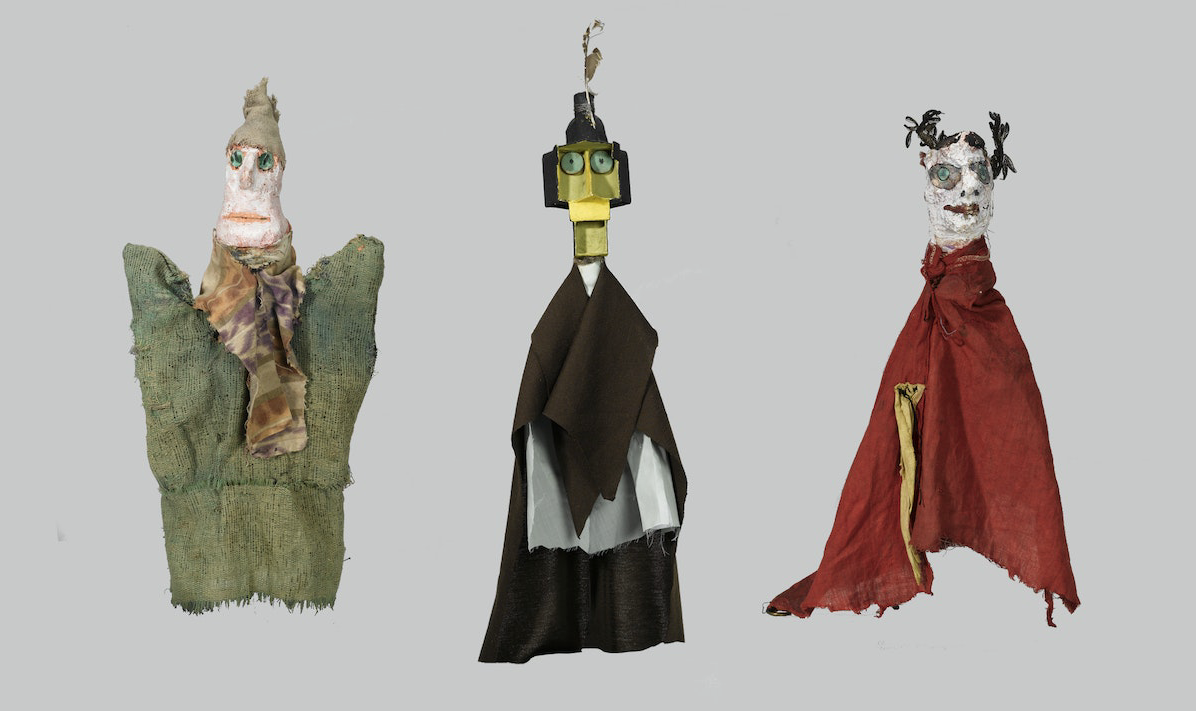
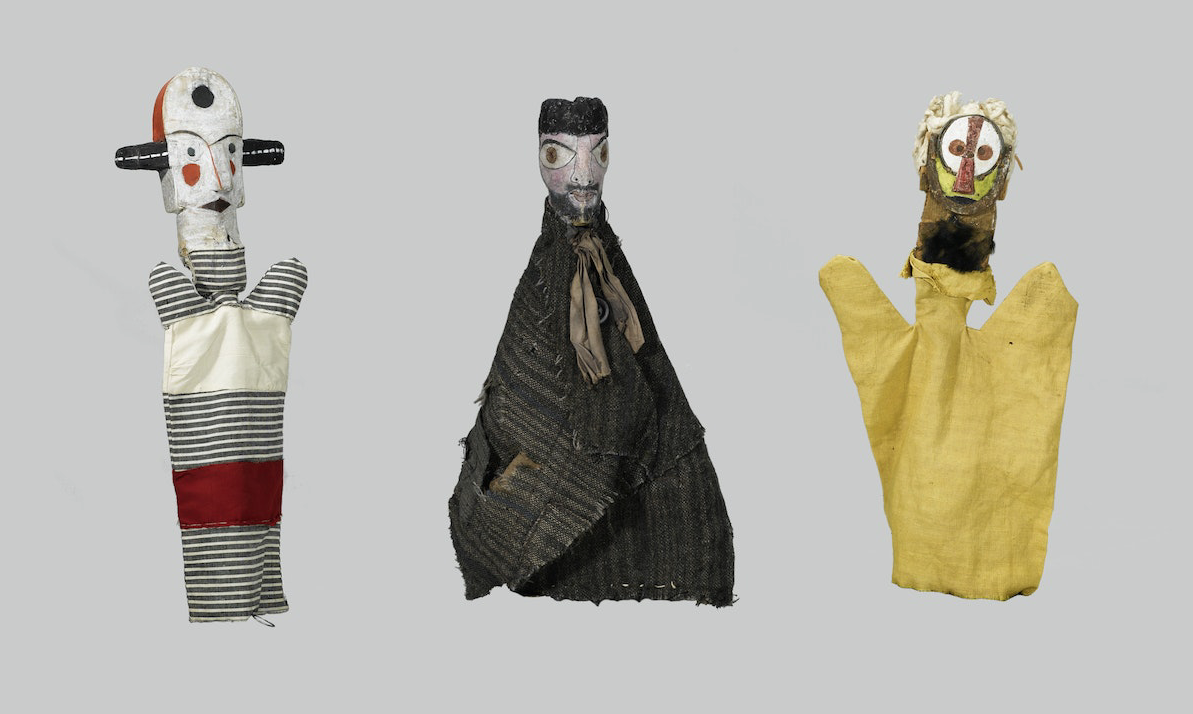
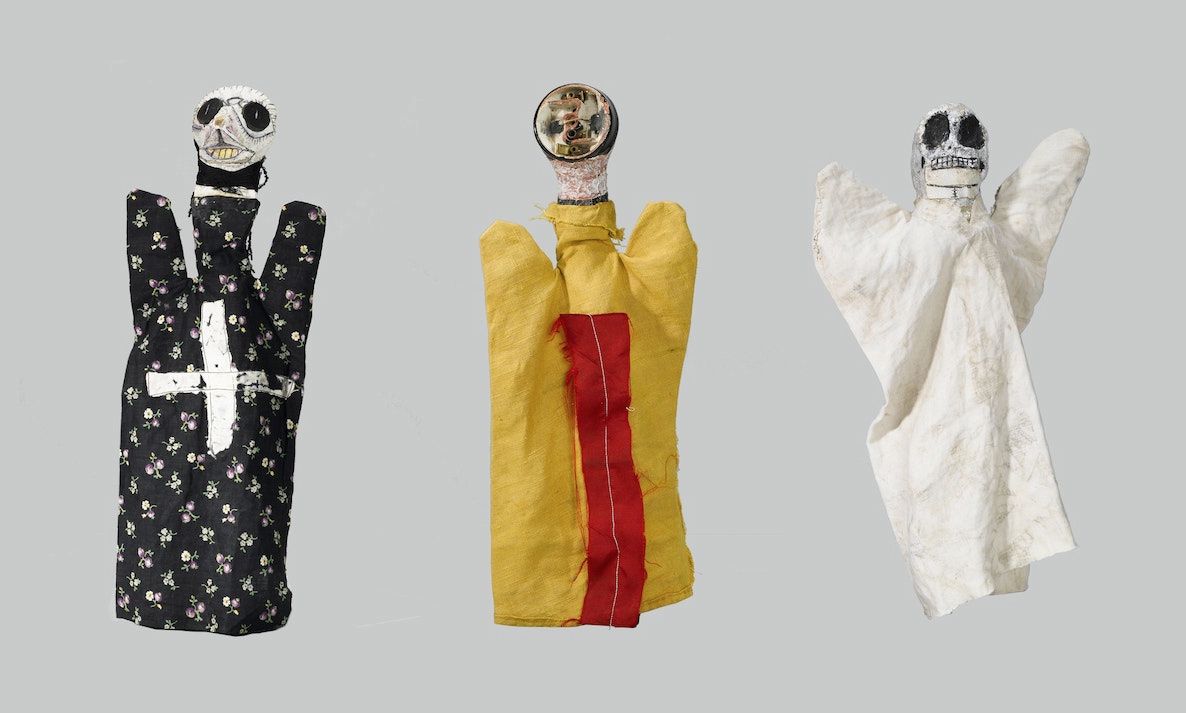
Excerpts below, with images from the Zentrum Paul Klee in Bern.


THE OLD MAN, THE DEVIL WITH RINGED GLOVE AND THE MONK


THE PHILISTINE, MATCHBOX SPIRT AND THE CROWNED POET


BIG-EARED CLOWN, SELF-PORTRAIT AND THE WHITE-HAIRED ESKIMO


GHOST OF A SCARECROW, ELECTRICAL SPOOK AND MR. DEATH


˜˜˜˜˜˜˜


The Unmourned Dead

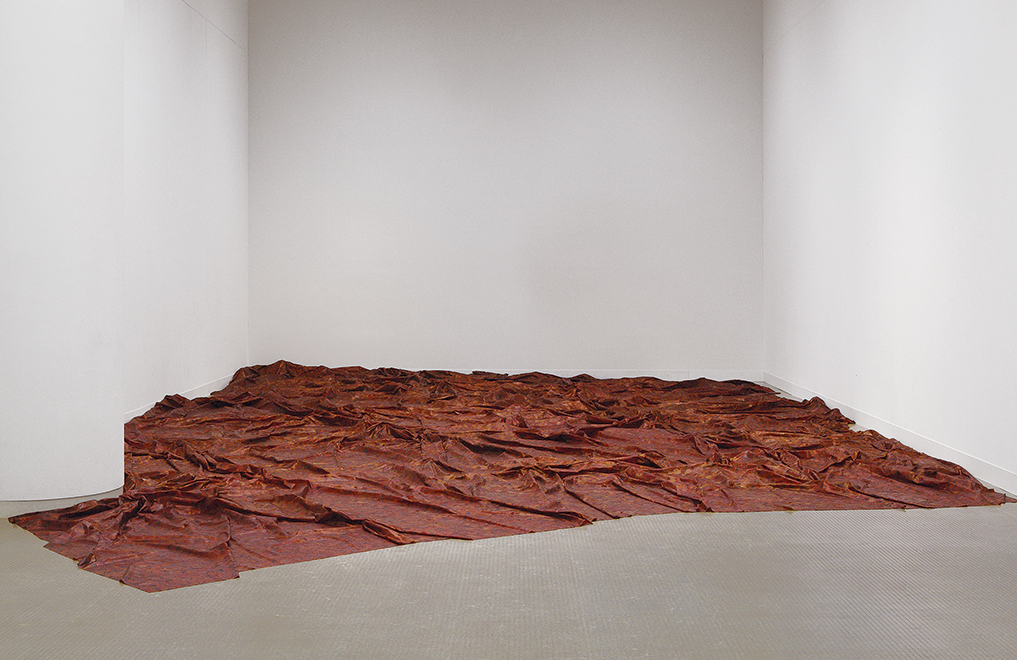
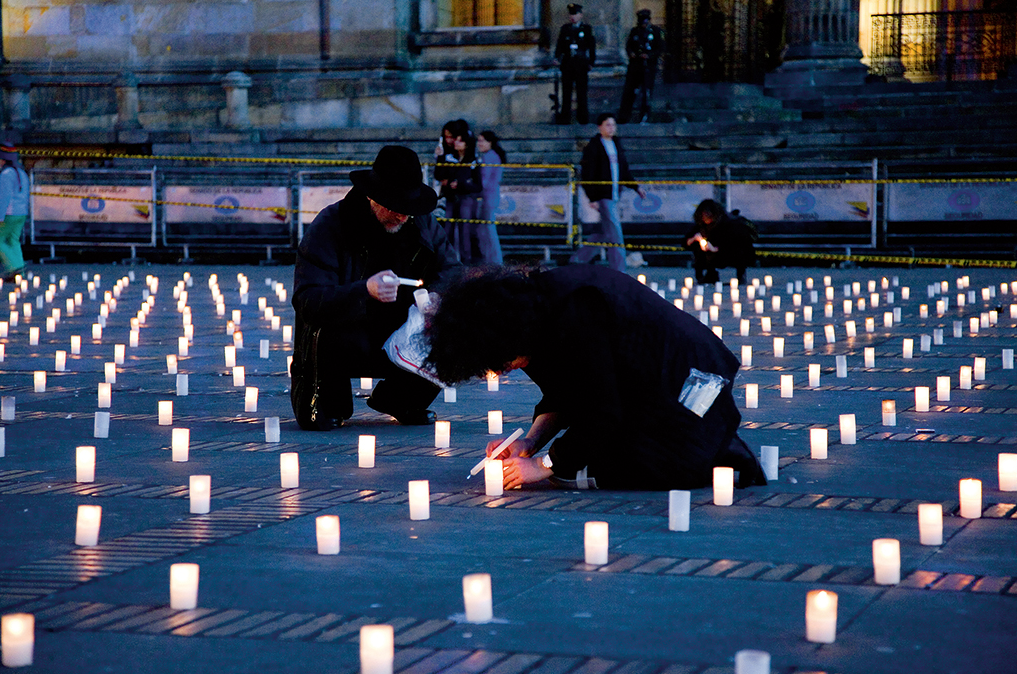
With political violence, and threats of political violence, vividly present all over the map, we have been revisiting the magnificent work of Doris Salcedo, facilitated by the Salcedo “mini-site” at the Chicago Museum of Contemporary Art, from which we relay the below excerpted text and images:


UNTITLED 2003


ACCION DE DUELO 2007


A FLOR DE PIEL 2014


Elsewhere, Salcedo says:

I devoted myself to making art out of political violence, knowing that it is impossible. I think violent death is obscene, so it is outside representation; it escapes symbolisation altogether. I know what I do is in vain.

Yet in facing the impossible, and by bringing the spirits of the unmourned dead into the very heart of her work, Salcedo invites us to consider the abject futility of the ever-expanding woundscape of political violence, as the empty chairs pile up into the heavens.


˜˜˜˜˜˜˜


Shadow Play

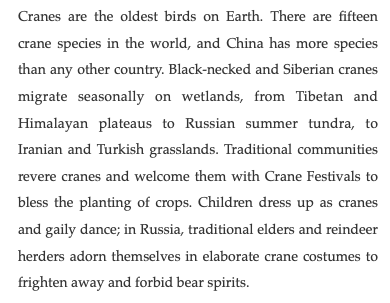
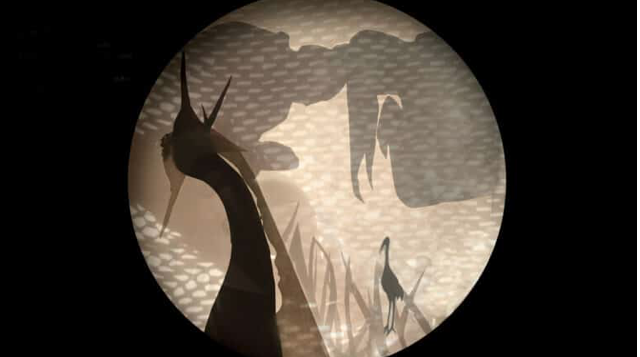
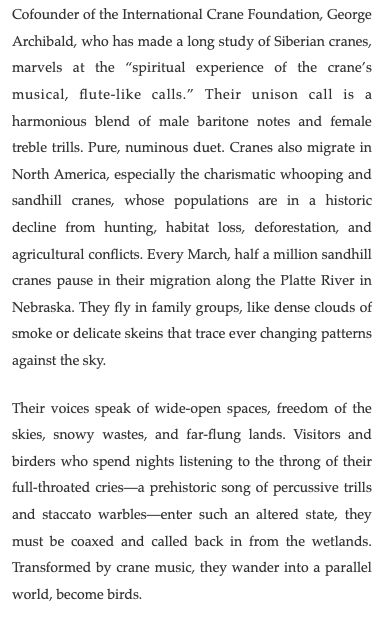
We are grateful to the editors of the ever-excellent Orion magazine for alerting us to the publication of Crane Maiden, a collaboration between author Brenda Peterson and artist Ed Young. Published by Chin Music Press, the book is also on display as an animated exhibit in the Eric Carle Museum.

A brief excerpt below:


And a note from the artist:

Taoism is an ancient philosophy of nature, simplicity, and humor. The dualism of Chinese Taoism calls us to attend to opposites, like two faces of the same coin—light and dark, parting and reunion, gravity and flight. Yin and yang complete each other, cannot exist separately, enrich and fulfill the other. Their “interplay of energy makes harmony,” writes Lao Tzu in his classic Tao Te Ching. Just as in physics, the positive and negative magnetic fields synthesize and work as a whole. 

In China, cranes are symbolic creatures of nature. They bring good fortune and rain to crops and wetlands, as well as flood and destruction. Good and evil coexist in this Taoist balancing act. The West perceives truth as static perfection, but Chinese philosophy embraces polarities, always in a state of change, always alive. So red-crowned cranes embody both extremes, like the cosmos, or a vessel that can be perceived as half empty or half full.

How will we choose to live, to dance?

˜˜˜˜˜˜˜˜


Fortress Conservation

At the end of a week that included wildly premature celebrations over the passage of a profoundly flawed climate bill, we relay a letter from Extinction Rebellion Global Support, reporting on an often overlooked aspect of conservation in the global south:

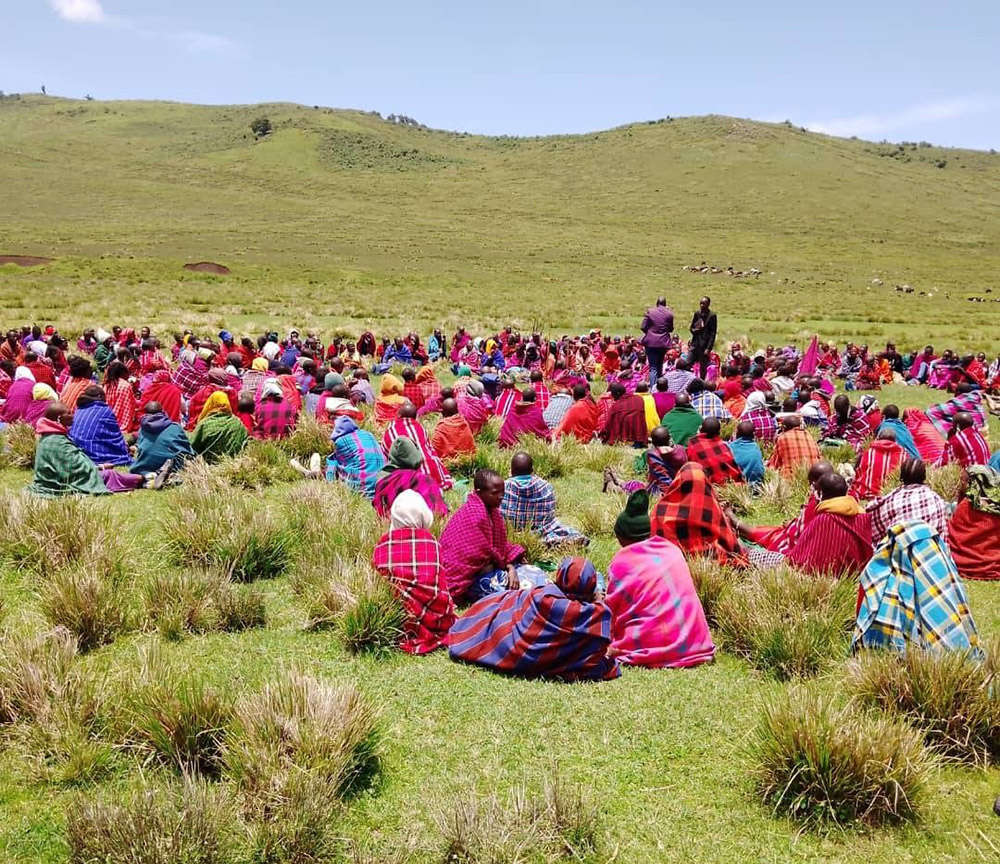
Since early 2022, the Maasai in northern Tanzania have intensified their fight against eviction from their ancestral lands in the Ngorongoro conservation area and Loliondo.

The government wants to use the lands to make a safari park and expand trophy hunting opportunities, and have subjected the Maasai communities to waves of violence, exclusion, and evictions. Over the past months, XR Youth Solidarity and other rebel groups have organised joint international solidarity actions with the Maasai.

In February, the Maasai organised a blockade at the entrance to the Ngorongoro Conservation Area. At the same time, rebels in London and Edinburgh protested outside the Tanzanian High Commission and several travel agencies who fuel the tourism that is driving the Maasai evictions.

Conservation projects often involve the violent theft of land from indigenous and other local communities, most of whom have lived in harmony with that land for millennia. It is known as Fortress Conservation, or colonial conservation, and the Environmental Justice Atlas currently records 141 cases worldwide.

Fortress Conservation is accepted or even practiced by many well-known organizations, for example WWF, and is used by corporations to greenwash their extractivism. The Maasai and rebel groups have launched a boycott of companies that benefit from the practice and the tourism it fosters.

80% of the world’s remaining biodiversity is on indigenous lands, and communities like the Massai want to lead our efforts to protect the planet and stop ecocide, not be displaced by them.

In July, a delegation of indigenous East African people travelled to a major conservation conference in Rwanda and demanded an end to Fortress Conservation, and the beginning of indigenous led conservation without Western intervention.


MAASAI BLOCKADE IN NGORONGORO


˜˜˜˜˜˜


The Golden Strand

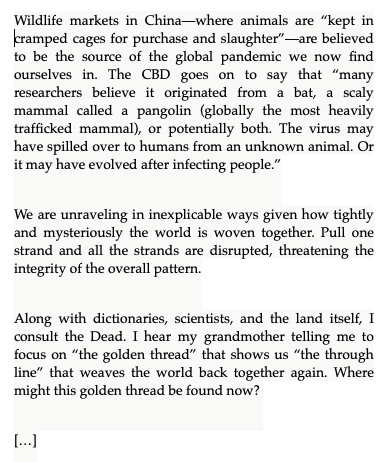
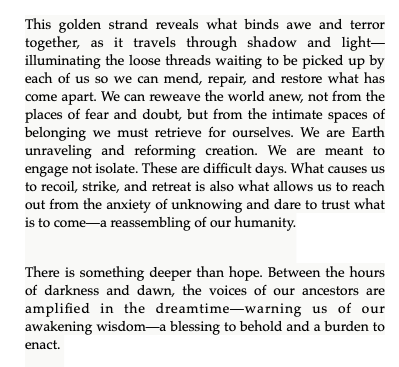
Now comes the richly layered voice of Terry Tempest Williams, with a few paragraphs from a recent essay.

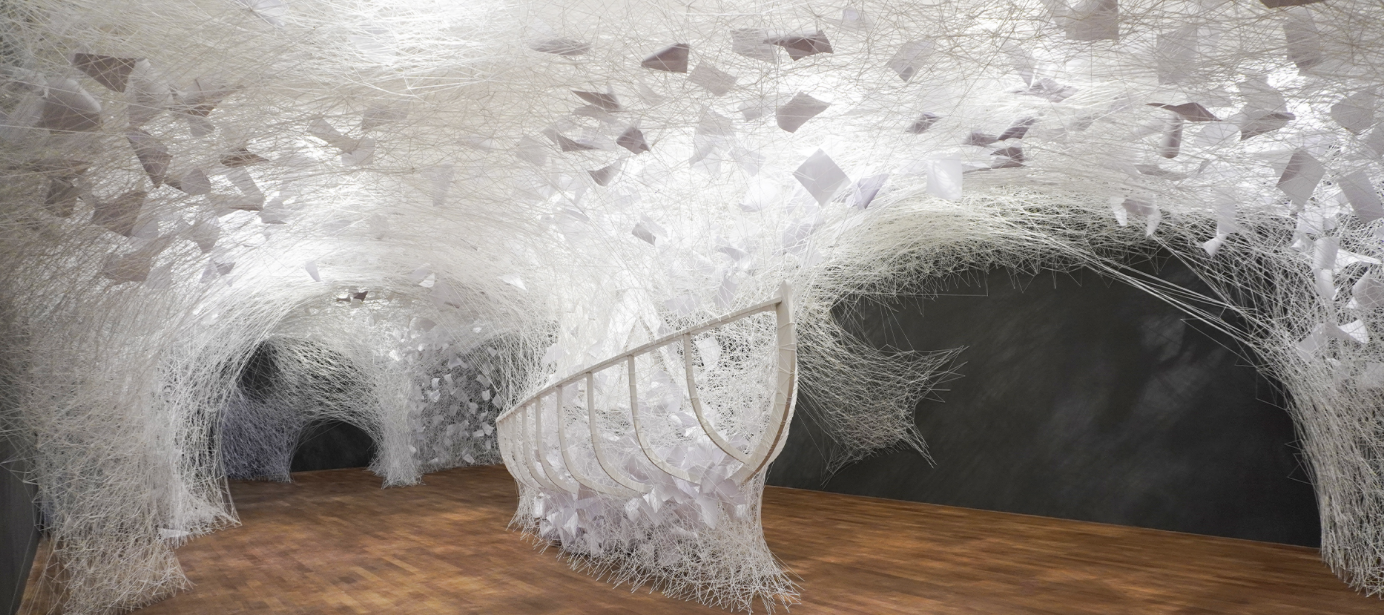
The image is from the extraordinary exhibition In Memory, by Shiota Chiharu, as relayed from the website of the Gana Art Center.


A statement from Shiota Chiharu, offered during a press conference following the opening of her exhibition:

“I wanted to put emphasis on the boat, because I believe that boats hold memories and their role is to move and carry them places. I call dresses, or clothes, a second skin because I believe they connect people together and are a means to express themselves. The paper represents the thoughts that people have. I am also fond of boats because while riding in them, they always have people think about where they are headed toward, and where their destination is. The color white may typically be used as a symbol for death, but I think otherwise. To me, it means both life and death, because when there’s an end, there is always another beginning.” 


˜˜˜˜˜˜˜˜