Author Archives: DP

Wishful Images

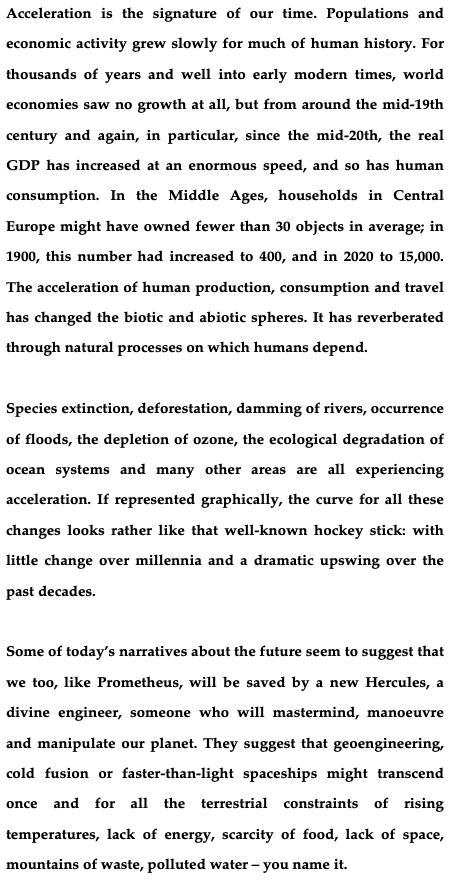
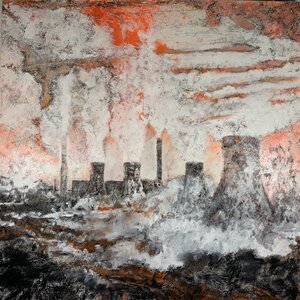
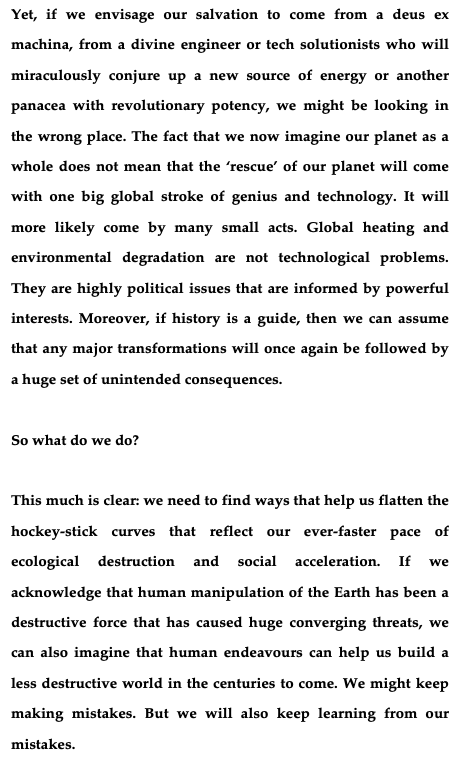
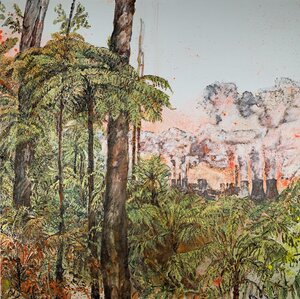
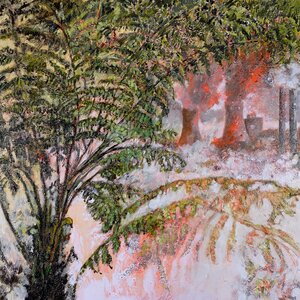
Now comes Christof Mauch, director of the Rachel Carson Center for Environment and Society, with excerpts from an essay that sketches the outline of his 2019 booklet, Slow Hope: Rethinking Ecologies of Crisis and Fear.

Images are from a related exhibition by artist Mandy Martin.

˜˜˜˜˜


All Light, Everywhere

Now comes documentary filmmaker Theo Antony via an interview regarding his most recent film, wherein he explores the micropolitics of police body cameras among other power dynamics within the dominant surveillance ethos, as well as the inherently slippery nature of all documentary evidence.

Excerpts from the interview below, with the second image linking to the “official” (whatever that means) trailer.

˜˜˜˜˜


Less Is More

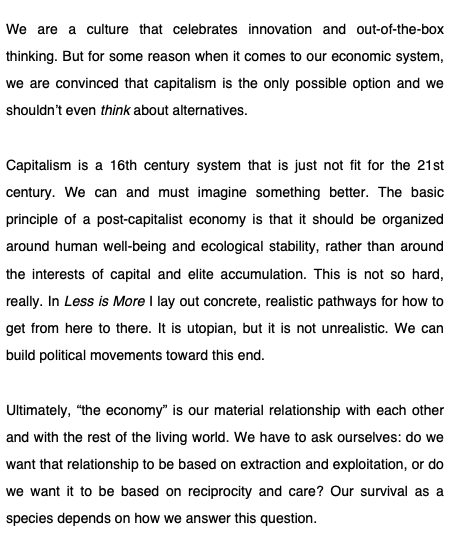
We are grateful to a vigilant DP reader for bringing a recently published book to our attention: Less Is More, by economic anthropologist Jason Hickel.

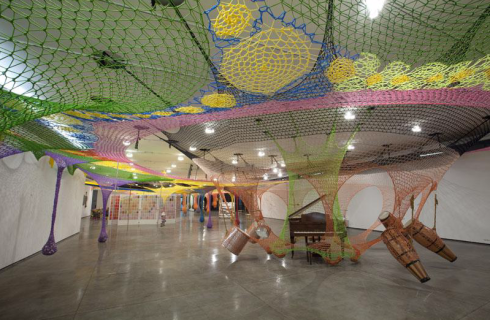
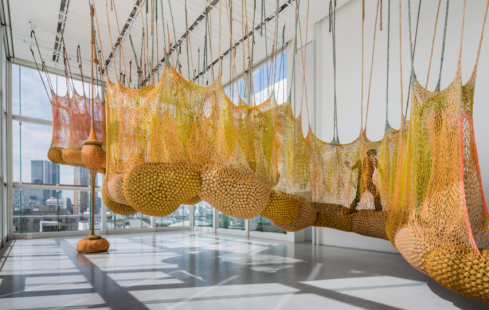
Excerpts from a recent interview about the book below, interwoven with images from a Guggenheim Bilbao exhibition titled The Body that Carries Me, from the abundant imagination of Ernesto Neto.

From the Guggenheim Bilbao page about Neto’s exhibition:

The artist began working with crochet in 1994 in order to create seamless fabrics and has hand-crocheted circular cells—filled with plastic balls—since then. Neto prefers materials and techniques traditionally linked to women. The artist explains “I love the idea of continuity between man and woman, both in the moral sense and the psychotopological sense. Female and male are just negative and positive. It’s like a sculpture cast—you have the model and the cast. I’m pretty interested in this ambiguity.”

According to Neto, he has wanted to move through the space, hover above the floor or trace a line to climb and float in the air for many years. Life is a Body We are Part of−A vida é um corpo do qual fazemos parte, through which Neto aims to give visitors a slight sense of vertigo, encourages us to think about balance, something which we sometimes take for granted, and to reconsider “the way we move, desire, and fear.”

The Pulse of Animacy

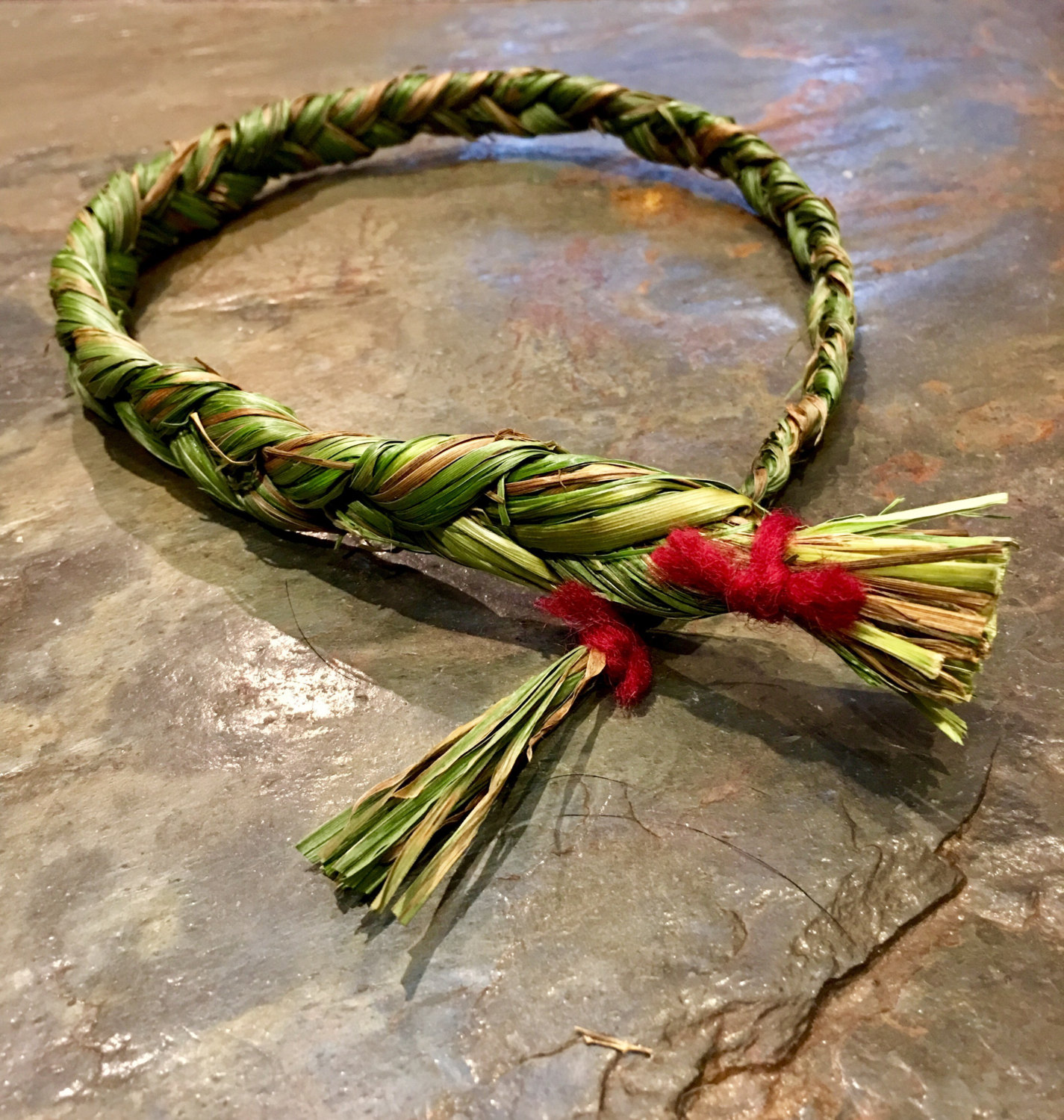
We a grateful to a DP correspondent for reminding us of an essay by scientist, writer and citizen of the Potawatomi Nation Robin Kimmerer. First published by Orion in 2017, the essay becomes ever more relevant with each passing day. Excerpts below, interwoven with images of braided sweetgrass relayed from Whispering Wind.


˜˜˜˜˜˜


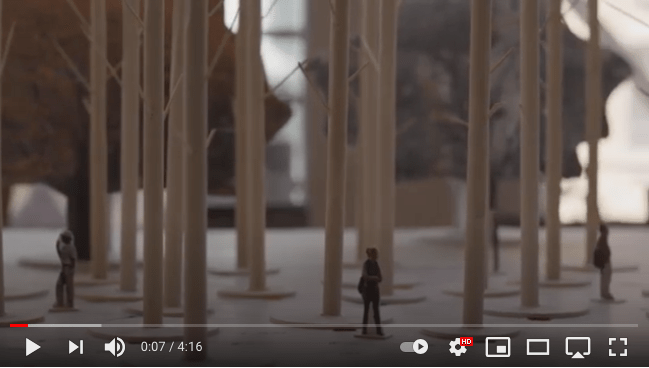
Ghost Forest

Now comes artist Maya Lin with an NYC Madison Square installation created from forty-nine white cedar trees transplanted from the New Jersey Pine Barrens. The project raises numerous questions, both exposing and embracing an ethos of human dominion over nature.

Image and text relayed from the project’s website, followed by a link to a documentary video.

˜˜˜˜˜


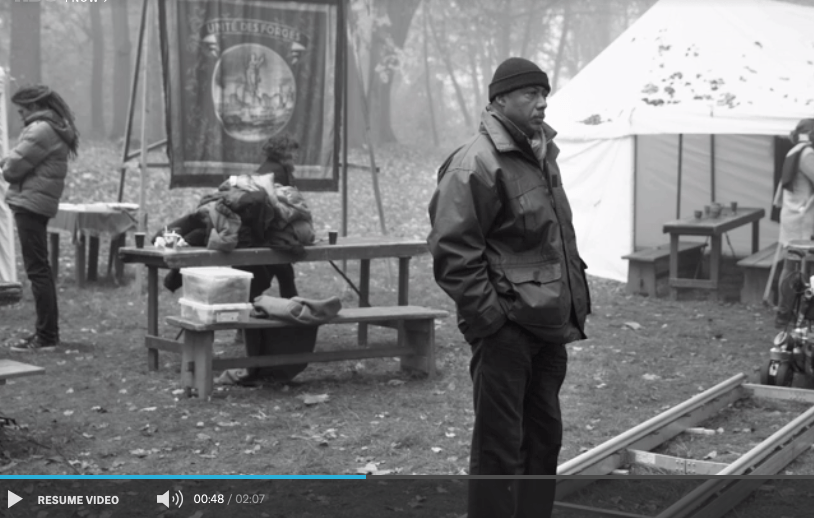
Exterminate All the Brutes

Now comes film director Raoul Peck, creator of the miniseries titled after Sven Lindqvist’s remarkable yet fast forgotten masterpiece, published in 2007.

Excerpts from a recent interview below, with links to both the series trailer and a powerful statement of intent.

TRAILER
STATEMENT OF INTENT

˜˜˜˜˜


The Red Deal

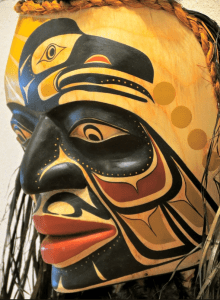
On the day after Earth Day, we relay the voice of Melanie Yazzie, Diné co-founder of The Red Nation, a grassroots Indigenous liberation organization, and assistant professor of Native American studies and American studies at University of New Mexico. Excerpts from yesterday’s Democracy Now interview below, with images of a Raven Portrait Mask by Janice Morin, mirrored from the Raven Makes Gallery.

The Red Nation Podcast features discussions on Indigenous history, politics, and culture from a left perspective.

Hell On Earth

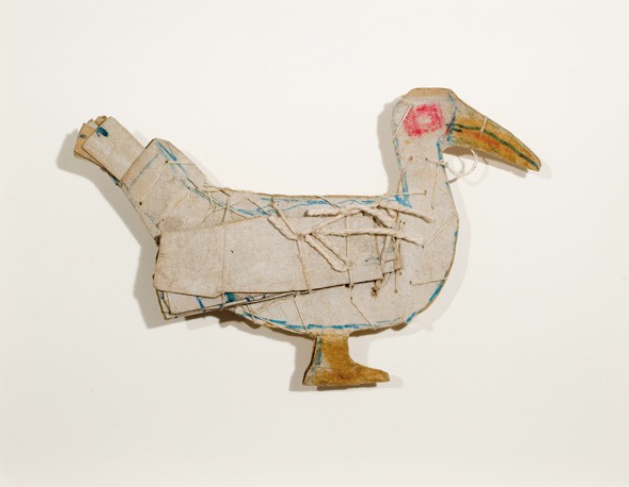
Now comes animal rights activist and writer Laura Bridgeton with a cogent summary critique of ever-expanding factory farms, on land and sea. Her entire report is worth close consideration. Excerpts below, with images from the fecund imagination of “outsider” artist, James Castle.
˜˜˜˜˜˜


Exceptional Amnesia

Now comes the well-named environmental philosopher Melanie Challenger with an important new exploration of how human supremacism came to be the entrenched self-identity for “civilized” mammals within the less well-named species, Homo Sapiens.

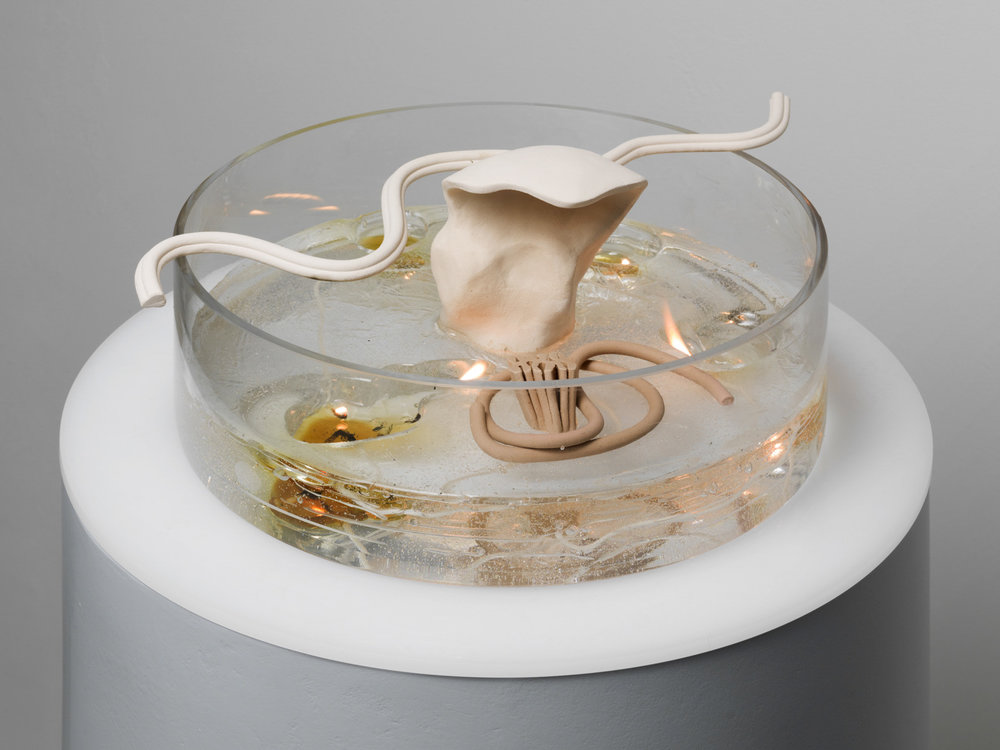
An excerpt below, as relayed from the publisher’s website. Images from installations by Alisa Baremboym, relayed from her website, well worth a visit.

˜˜˜˜˜˜


Unmasked

This week we bend our ears towards the Galician artist Isaac Cordal in conversation with LARB’s Brad Evans, convener of an exceptional ongoing series probing the subject of violence, in all its modulations.

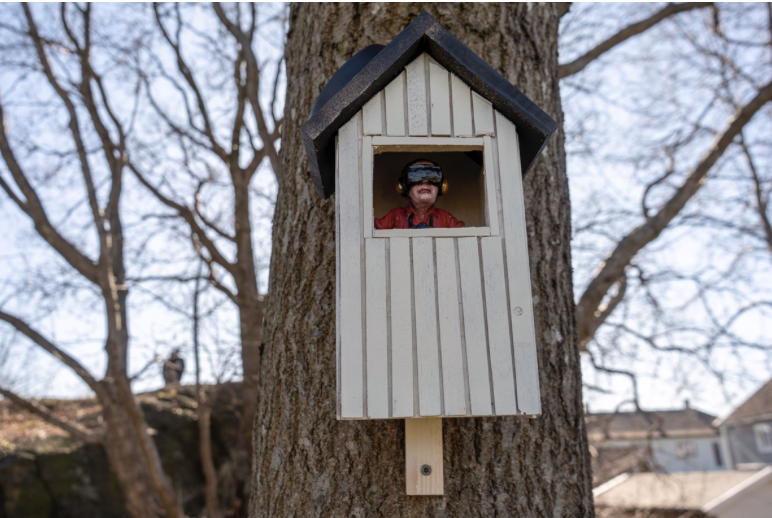
Two excerpts below, with images from Cordal’s installation People of Trees, dating from the early days of the pandemic, relayed from his website.


˜

Let’s all repeat that last sentence together:

Creation and the solidarity it fosters may just be the only thing that save us.


˜˜˜˜˜