Author Archives: DP

As If Still Burning


—- Yasuhiko Shigemoto


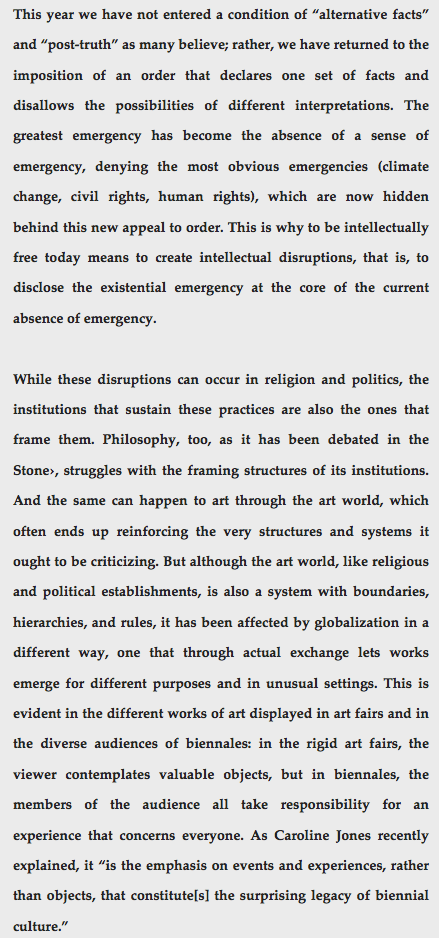
Emergency Aesthetics

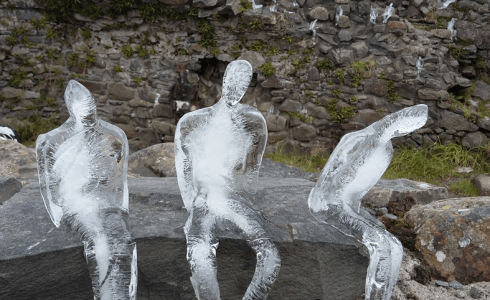
Now comes philosopher Santiago Zabala with a brief essay that resonates strongly with a major theme here at DP: “Turning to Art’s Demands”. The images are from Nele Azevedo’s ongoing series of “melting man” sculptures.

˜˜˜˜˜

We look forward to Zabala’s forthcoming book, Why Only Art Can Save Us: Aesthetics and the Absence of Emergency (2017).


Digressions

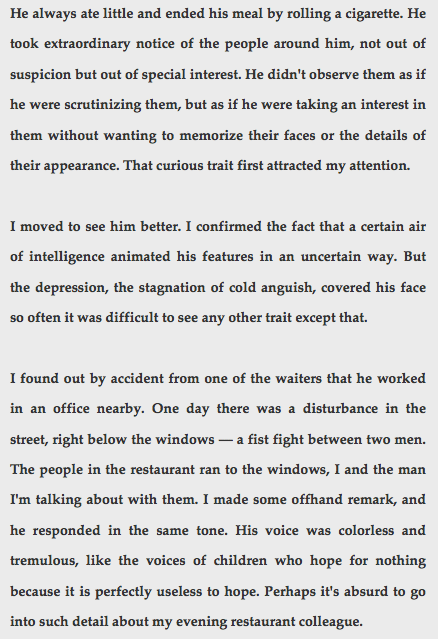
In the midst of political chaos inside a White House that increasingly resembles a Frat House for the Criminally Insane, we turn to the subtle depths of a passage from Fernando Pessoa in his masterful Book of Disquiet.

Images are from an artist book titled Seis Ventanas, by Ioulia Akhmadeeva.

˜˜˜˜˜˜

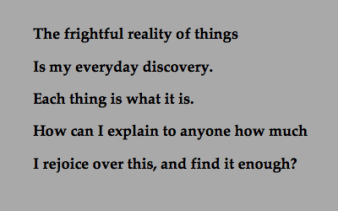
And a brief excerpt from his Discontinuous Poems, in the voices of one of his alternative selves, Albert Caeiro:

˜˜˜˜˜

Followed by one more image from Akhmadeeva, Reminiscencia:


Family Pictures

Now comes a montage of text and images from a project by artist Steve Locke, first exhibited in 2016 at the Gallery Kayafas  in Boston: “the Family Pictures we have long pretended did not exist.”

˜˜˜˜˜


˜˜˜˜˜˜

The exhibition included a Reading Room that included the following texts:


This History of Terror

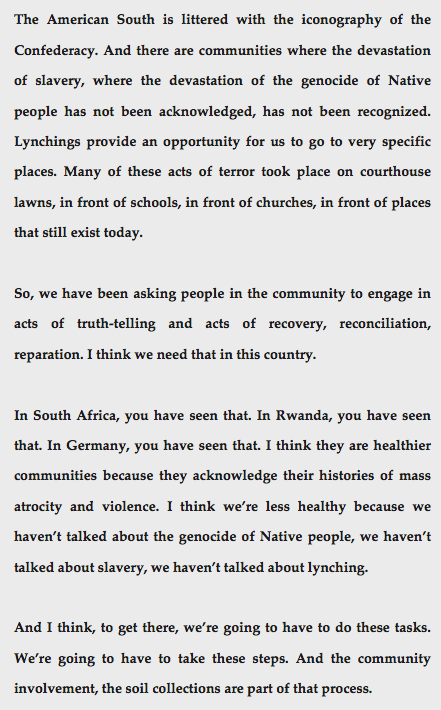
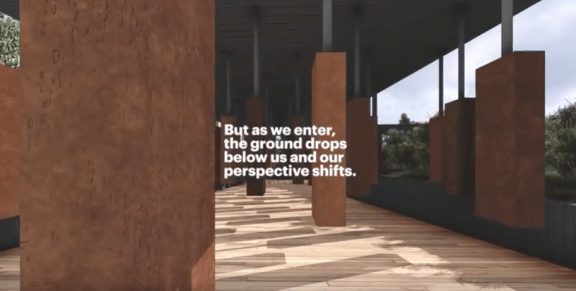
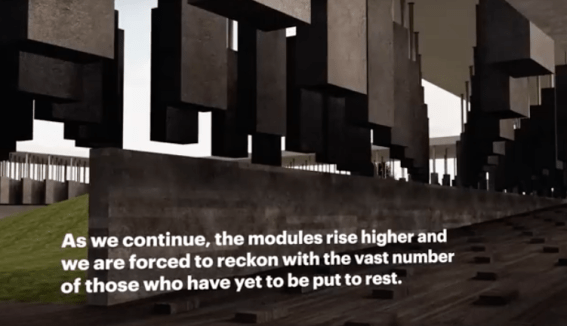
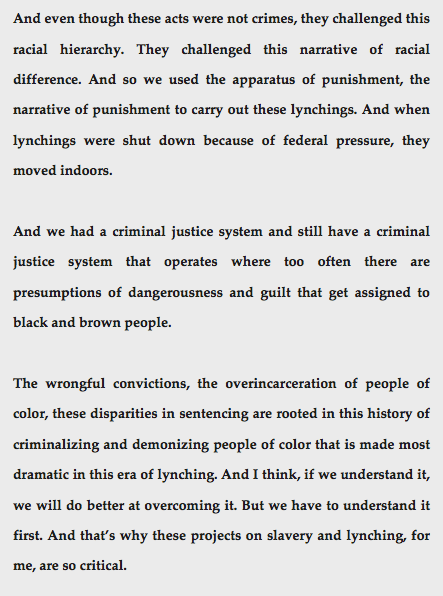
This week, we stay with the voice of Bryan Stevenson, founding director of the Equal Justice Initiative in Montgomery, Alabama. In excerpts from an interview on PBS in 2016, Stevenson outlines the genesis of EJI’s powerful proposal for a National Lynching Memorial. Images are taken from the concept video, which can be — and should be — viewed in its entirety here.

nlm7

nlm8


A Strange and Bitter Crop

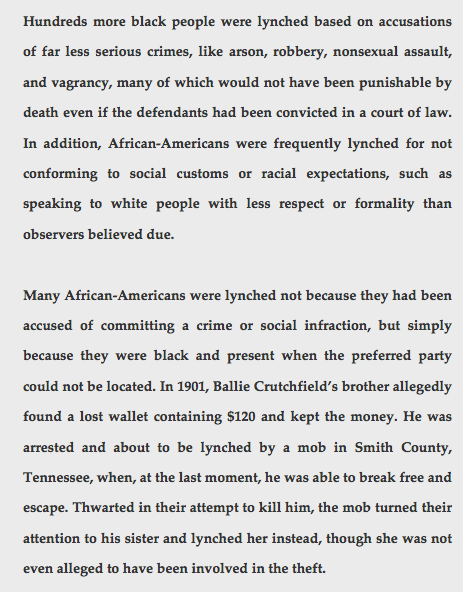
Now comes Bryan Stevenson, the founder of the Equal Justice Initiative in Montgomery, Atlanta. First published in the New York Review of Books, his essay provides a concise summary of recent research into the history of lynching in America, in turn providing essential background for the ongoing murder of African-American men. Excerpts below, with images from Ken Gonzales-Day’s Erased Lynchings series.

˜˜˜˜˜

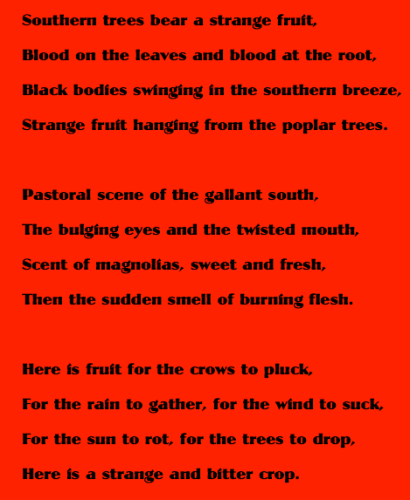
Our title descends from the famous song by Billie Holiday that haunts sanctimonious delusions of American exceptionalism like a death knell:


Nothing To Do But Live

The list of our disagreements with David Gelernter would run to many pages, yet we whole-heartedly agree with his central thesis in The Tides of Mind, that human understanding of the mind must be a subjective process, and thus engage our emotions as well as our ideas.

Of course, this is not a particularly fresh insight within numerous non-Western traditions, nor even in European philosophy; recall Heidegger’s emphasis in his later years on the importance of “meditative” thinking. Nonetheless, given the floods of mind-numbing enthusiasm for the Imminent Singularity and other “inverted utopian” delusions, Gelernter’s ebbing and flowing tides provide welcome relief.
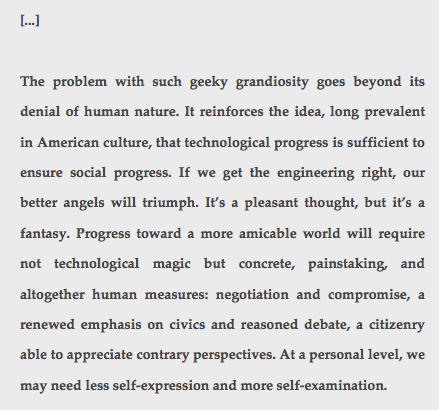
Below, a lucid excerpt from a much longer and frequently baffling conversation with Gelernter published in The Atlantic. Images are from explorations of subjective being, as conducted by artist Natalia Arbelaez.


An Exquisite Diversity

Now comes Courtney Mattison, with her large-scale glazed stoneware, porcelain and terracotta installation titled Our Changing Sea I, currently on display at the Art of Science & Technology Gallery in Washington; those who deny the reality of climate change would do well to visit the gallery and meditate upon the evidence as captured in calcium carbonate.

Below, photographs of the work are interwoven with passages from Mattison’s Artist Statement.

˜˜˜˜˜

An update on the status of global coral reef bleaching from the National Oceanic and Atmospheric Administration paints a grim picture (click for link to larger scale):

noaa

A WORLD OF STRESSED CORAL


On Tyranny

Today we relay excerpts from an exceptionally good Democracy Now interview with Yale historian Timothy Snyder regarding both his important recent book On Tyranny and his related social media posts following the election of Donald Trump.

On resisting complacency:


On the long failure of profit-driven globalization, and its consequences:


On his first “lesson” for resistance:

The above resonates strong with Jeffrey Rosen’s prescient 2004 book, The Naked Crowd, discussed in our 2012 post Nothing to Hide.


On being kind to language:

See also Below the Dead Language, with Solmaz Sharif discussing the role of the poet as caretaker of the language.


On everyday connection and civility:

Our coarse and degraded social reality, of which Donald Trump is nothing but a malignant symptom, gains vital sustenance from rage, aggression, rudeness, abusive language, fear and paranoia. Thus simple acts of kindness, civil engagement and calm conversations become essential acts of deep resistance, refusing to let the prevailing ethos take hold of our own souls.