Author Archives: DP

Let It Flow

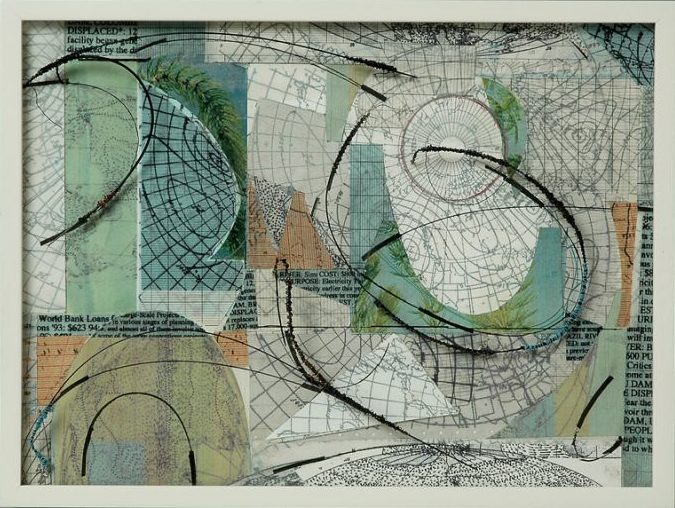
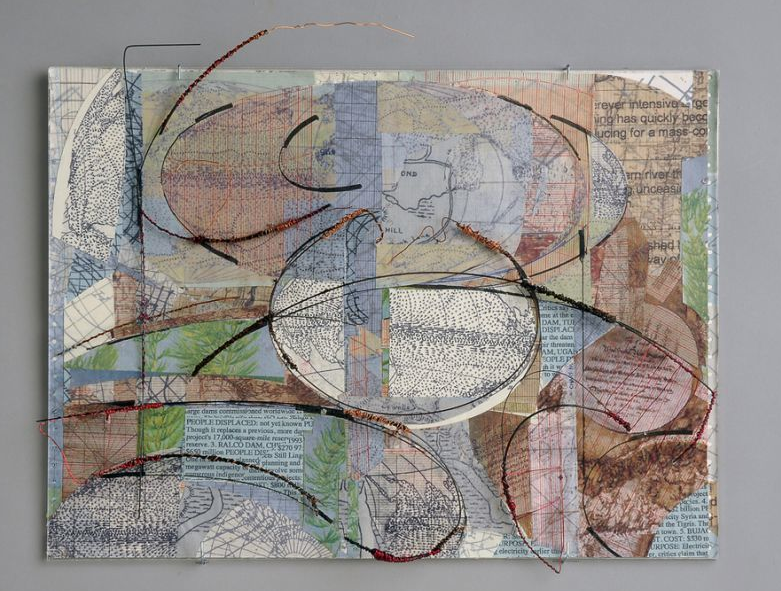
We recently discovered the work of Phyllis Ewen, at the intersection of environmental research and fine art. In a statement for her 2010 project Global Currents, she writes:

pegc

Sharing Ewen’s interest in the ways that the human imagination interacts and interferes with the natural world, we were curious about the reference to Donald Worster; after a bit of web trawling, we offer the following brief excerpt from his longer essay titled Historians and Nature, with images added by DP:

glocur1

GLOBAL CURRENTS 1

dw1

GLOBAL CURRENTS 2

GLOBAL CURRENTS 2

dw3

GLOBAL CURRENTS 3

GLOBAL CURRENTS 3


Love Touches So

Now comes an excerpt from Muriel Rukeyser’s The Life of Poetry, published in 1949. She opens the book with an analysis of the fear of poetry; the fear of “an approach to the truth of feeling.”

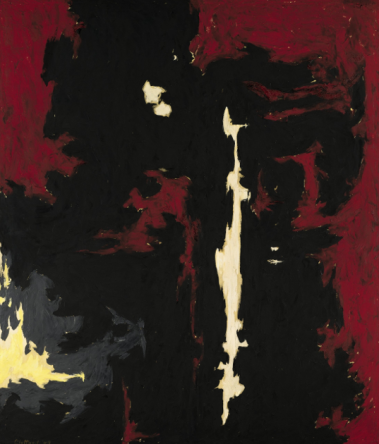
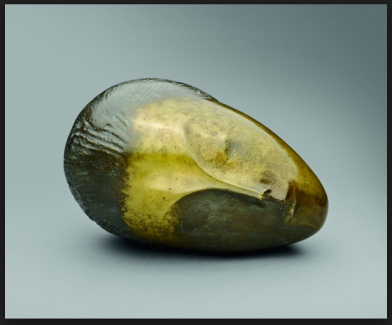
The images, added by DP, are Clyfford Still’s 1949-A-No.1 and Brancusi’s Sleeping Muse.

˜˜˜˜˜

mr1

still

mr2

sleepingmuse

˜˜˜˜˜

Rukeyser had already broached the subject of metrophobia a decade earlier, in her 1939 poem READING TIME: 1 MINUTE 26 SECONDS:

MR3


Lebensraum and Genocide

As various European governments qualify and constrain their earlier enthusiastic embrace of refugees from Syria and elsewhere among the disintegrating states of the Middle East, we take note of the ongoing debate within Germany regarding recognition of genocidal atrocities committed in Namibia during the years 1904-1908. In that dark chapter of the Kaiser’s Second Reich, the latent violence conveyed by the German idea of “Lebensraum” — violence which would later explode into World War II during the Third Reich — first found at least seventy-five thousand victims among the Herero and Nama people.

Namibians have held an annual event to commemorate the genocide since 1932; yet Germany remained stubbornly silent until 2004, when Development Minister Heidemarie Wieczorek-Zeul issued the following apology:

“I want to acknowledge the violence inflicted on your ancestors by the German colonial powers, particularly the Herero and the Nama. The atrocities, the murders, the crimes committed at that time are today termed genocide and General Lothar von Trotta would be prosecuted and convicted and rightly so. In the words of the Lord’s Prayer, I ask you to forgive us our trespasses and our guilt.”

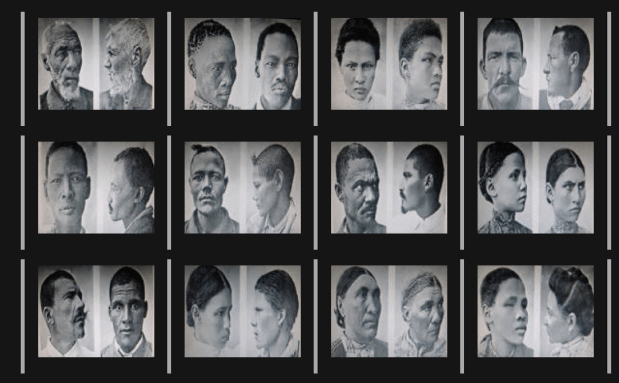
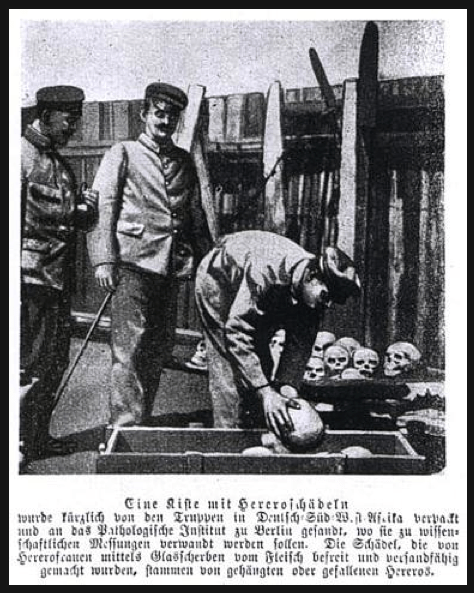
During the period of extermination, German eugenics “pioneer” Eugen Fischer requested that skulls and other body parts be collected from the concentration camps at Windhoek and Shark Island be sent to Berlin; while most such trophy-specimens were used for research into the bone structure of racial hierarchy, any items considered surplus to scientific requirements were sold as collectors’ items for display throughout Europe. In 2011, twenty skulls were returned to Namibia, representing a tiny fraction of Fischer’s harvest. Since then, there have been a number of subsequent returns from museums and universities. though still outside of any official national policy.

For an incisive summary of the history, we turn to the following essay by correspondent Jon Swan, with captioned images added by DP:

sw1

CATTLE CARS

HERERO PRISONERS  IN CATTLE CARS: EN ROUTE TO A FINAL SOLUTION

jsw2

EUGEN FISCHER'S AFRICAN STUDIES

EUGEN FISCHER’S AFRICAN STUDIES IN SEARCH OF RACIAL SUPREMACY

jsw3

si5

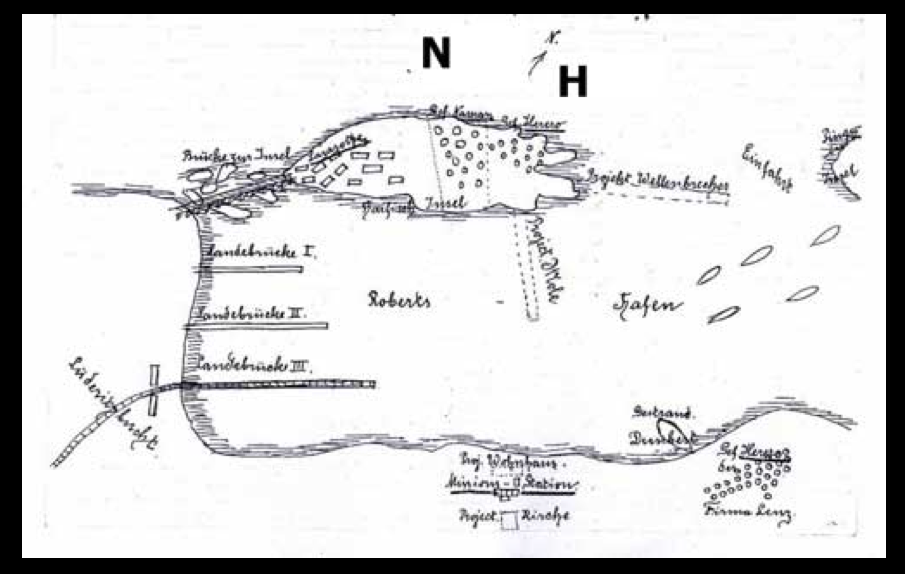
SHARK ISLAND: LOGISTICAL SCHEMATIC FOR EXTERMINATION

jsw4

POSTCARD FROM SHARK ISLAND

A POSTCARD FROM SHARK ISLAND


How Hard It Is To Sing

golpe

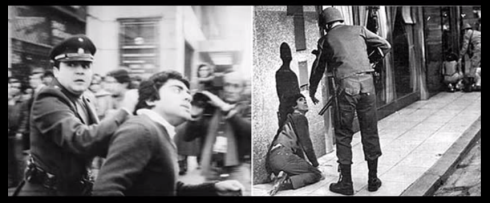
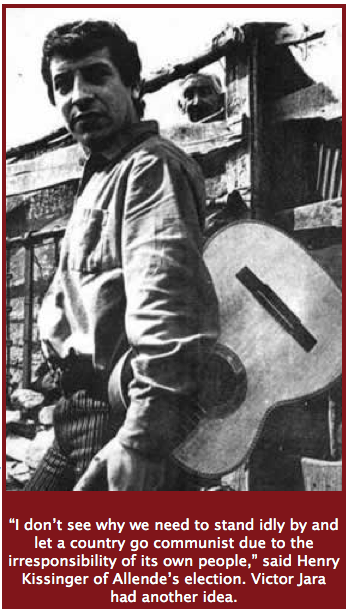
We pause today to commemorate the “other” 9/11: the 1973 overthrow of the democratically elected government of Salvador Allende in Chile by a brutal military junta led by General Augusto Pinochet, and supported by Henry Kissinger.

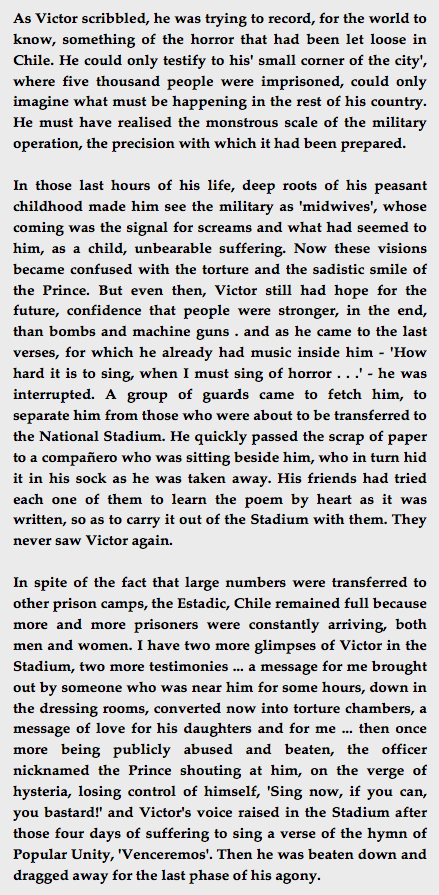
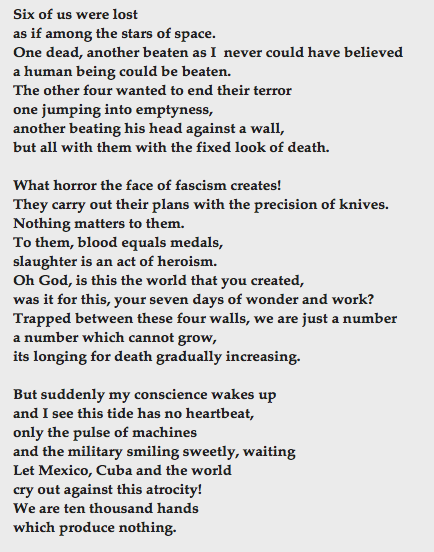
Among those detained in the National Stadium on the first day of the golpe: folksinger and activist Victor Jara. Before he was carried away to be tortured and murdered — his wrists broken, and his body riddled by forty two bullets — Jara was able to write the lyrics for one final song on a scrap of paper. As his widow Joan records in her detailed memoir, An Unfinished Song:

jj

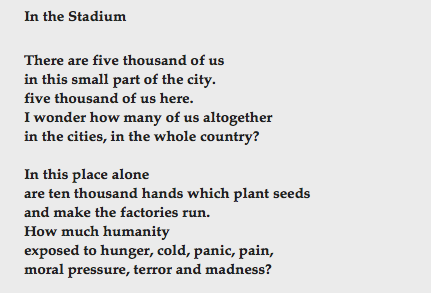
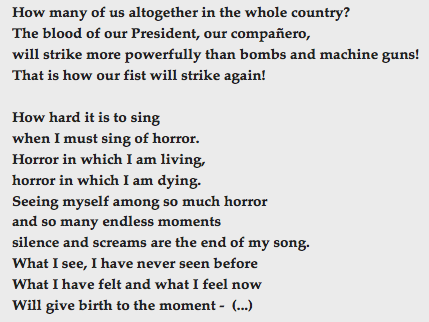
In Joan Jara’s own translation into English, here are the lyrics for Victor Jara’s final song:

VJ1

PINO911

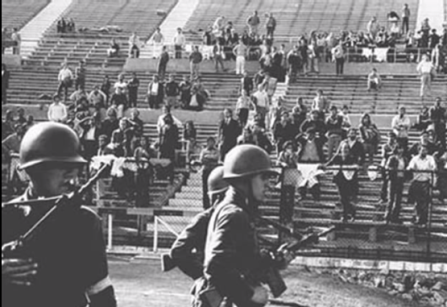
THE NATIONAL STADIUM ON THE DAY OF THE COUP

VJ2

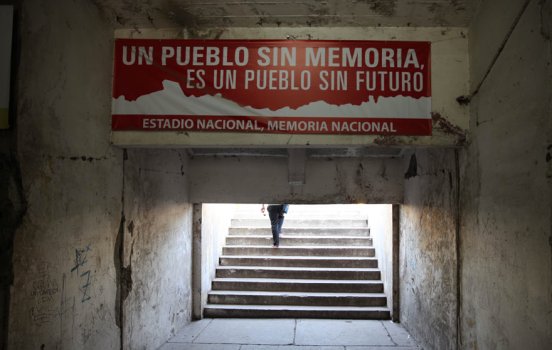
estadio

A NATIONAL STADIUM EXIT PASSAGE AS IT READS TODAY

vj7

vj

This past July, nearly forty two years after the coup, a judge finally brought charges against ten former officers in the Chilean military, for the murder of Victor Jara. Henry Kissinger remains at large.


Terribly Quiet

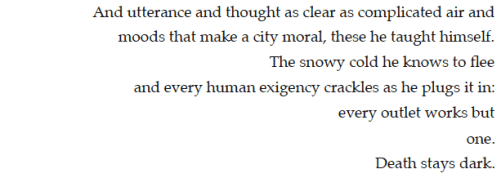
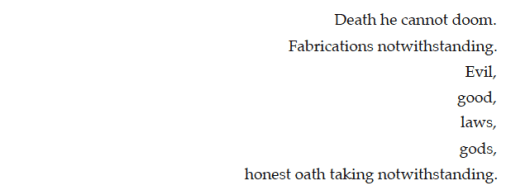
In recent days, as we struggle to absorb the dire implications of the annual World Watch State of the World report, we have been meditating upon Anne Carson’s brilliant transduction/translation of Sophocles’ Ode to Man, as first published in the New Yorker, and eventually enveloped by her reinvention of Antigone as Antigonick.

In other hands, such a project might have descended into the tinny echo chambers of postmodern solipsism. Yet Carson’s ear is more finely tuned than that, and her play with Sophocles skillfully sounds out the quiet terrors of the ancient text.

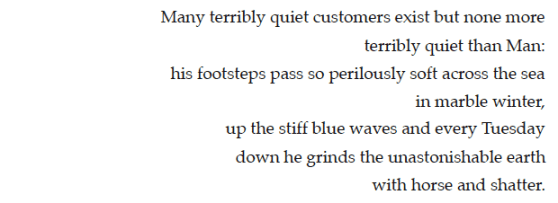
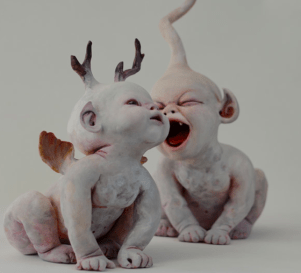
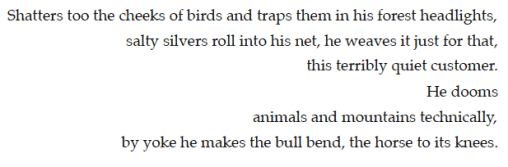
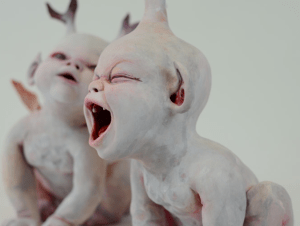
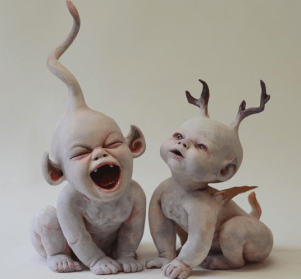
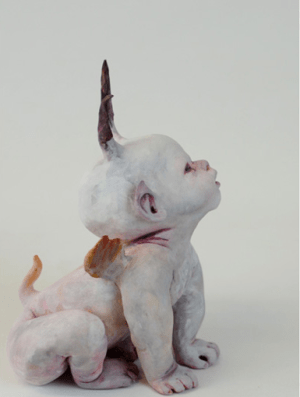
We offer this excerpt in a montage with images from Ronit Baranga’s astonishing series of ceramic sculptures, Grave Watcher’s Childhood.

˜˜˜˜˜

ancar1


rb3


ancar2


rb1


ancar3


rb2


ancar5

ancar4

rb4


Operation Henkaku

Now comes Sea Shepherd, with its annual campaign to resist and condemn the entrapment and slaughter of dolphins in Taiji, Japan.

The Japanese Association of Zoos and Aquariums recently banned the buying and selling of dolphins from the Taiji hunt, after years of intense pressure from Sea Shepherd and other animal rights activists. The organization finally voted for the measure last week under threat of expulsion from the World Association of Zoos and Aquariums. Taiji mayor Kazutaka Sangen has countered with a plan to set up a new association for those aquariums still wanting to acquire dolphins from the hunt.

The Japanese word “henkaku” translates into English as revolution, transformation or metamorphosis. Below, a montage of images from Sea Shepherd’s powerful video for the recruitment of volunteers as Cove Guardians.

˜˜˜˜˜˜

hen1

hen2

hen3

hen4

hen5

hen6

hen7

hen8

hen9

hen10

hen11

hen12

hen13

hen14

hen15

hen16


Swimming To Oblivion

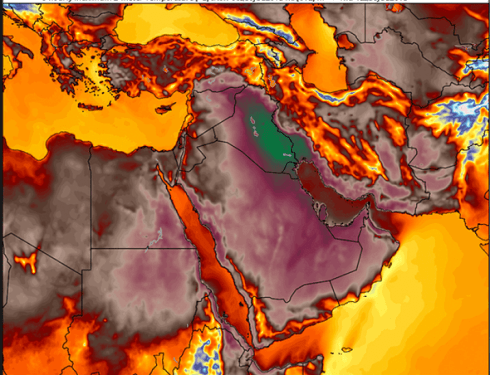
During these dog days of August, we take note that both NASA and the Japan Meteorological Society have confirmed what many enduring the Middle Eastern “heat dome” may have long suspected: July, 2015 was the hottest on record.

heat

Here is an eye-in-the-sky representation of what this looked like in the vicinity of the Tigris and Euphrates:
heatdome

SCORCHED

The month’s heat fired up the imagination of one Sean Mulryan of the Ballymore Group, in concocting a new development named Embassy Gardens, with its two towers linked by a “sky-pool swim-bridge”, or some such luxe-marketing blubber.

IN THE LAP OF POWER

DO YOUR LAPS IN THE LAP OF POWER

Conveniently located next to the American Embassy in London, the acrylic water tube will pose a variety of technical challenges. Not to worry – engineer Brian Eckersley is all over it, like melted plastic. As he recently oozed to the BBC:

eckers

Alas, the distortion of the interface ought be the least of Mr. Eckersley’s worries; if he wishes to focus his considerable intelligence on a subject worthy of his anxiety, he might consider the fate of Gunther Anders’ inverted utopians, for whom he is such an eloquent if unwitting mouthpiece.

skypoo

LIQUIDATION OF THE SELF

Meanwhile, in an abandoned swimming pool from another era, a different sort of engineer proposes an alternative diversion for our boiling Anthropocene:

UNABLE TO IMAGINE THE THINGS WE MAKE?


DISMAFESTO

disma

JUST LIKE THIS, BANKSY NAILS OUR SPIRIT TO THE TIMES


A Perverse Divergence

From the vigilant chroniclers of the ever-accelerating Arctic ice melt, we have received the following update:

sc1

scseaanom

sc2

˜˜˜˜˜

Not to worry, though; climate change is yesterday’s news, old hat. Best to ignore the Doom & Gloomers and focus on something more positive: though the viability of the entire species may be in question, as individuals we can live forever!

Longevity is fully capitalized; immortality incorporated. For those able to pay the price, aging will soon become a thing of the past. Isn’t that exciting?

longinc

˜˜˜˜˜˜

In the face of overwhelming evidence of the fatal consequences of our interference with nature, we respond with ever more insane (though “scientifically sound”) interference. We are reminded of a passage from The Human Condition, penned by the hand of Hannah Arendt way back in 1957:

ha1

Severing ourselves from the “free gift from nowhere”, we make this deadly trade as one final embodiment of hubris amidst the furies of our own collective disappearance. Wealthy humans shall achieve an indefinitely extended longevity in exactly the same blink of geological time when the rare and fragile ecological conditions that sustain homo sapiens recede back into the mysterious infinity of the cosmos. Such are the perverse divergences of our possessed rebellion.

˜˜˜˜˜

Below, a detail from a painting by Bill Lynch, Caught in the Spider Web.

blspi


Finite and Alive

This week, we are pleased to urge consideration of a new exhibition of drawings by Rebecca Clark, presented by the Adkins Arboretum. An excellent essay by Tom Jeffreys, with several illuminating interview passages from Clark, can be found courtesy of the Learned Pig, an online resource that resonates strongly with DP.

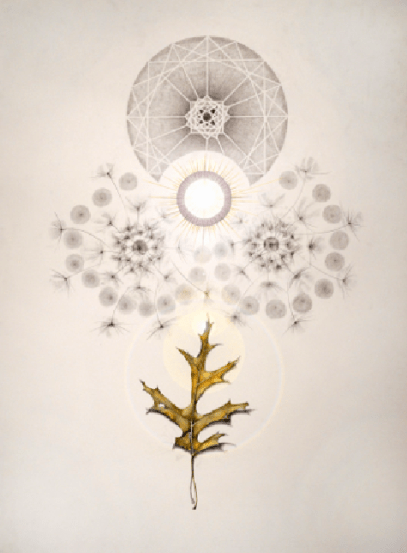
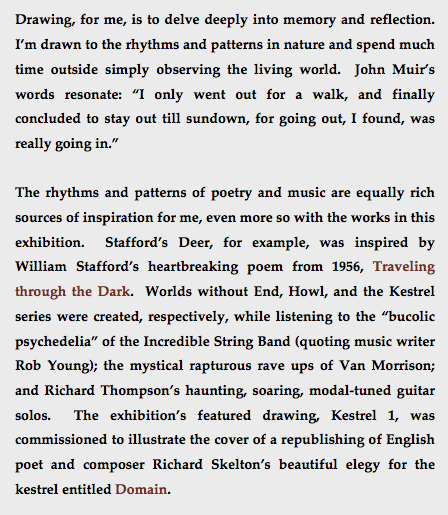
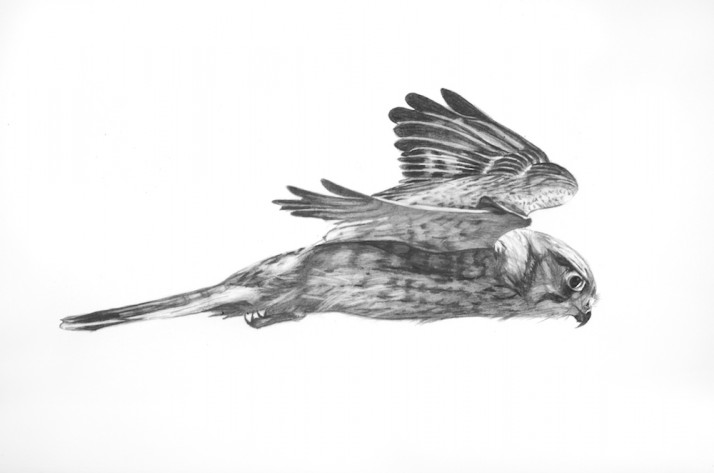
Below, a montage of her exquisitely fine and deep drawings, and passages from her Artist Statement.

rc4

rc5

rc1

rc6

rckestrel


rc7

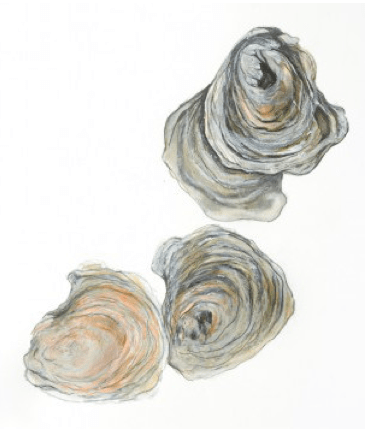
Broken as our planet may be, let us celebrate these soulful drawings in all their quiet grace and joyful virtuosity; let us consider the oysters.


rc3


Fire

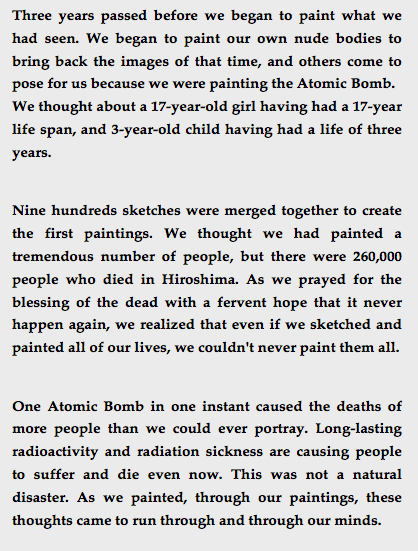
On this Hiroshima Day, we offer the following letter from the website of the Maruki Gallery for the Hiroshima Panels, written by artists Iri & Toshi Maruki:

letter1

ITM

letter2

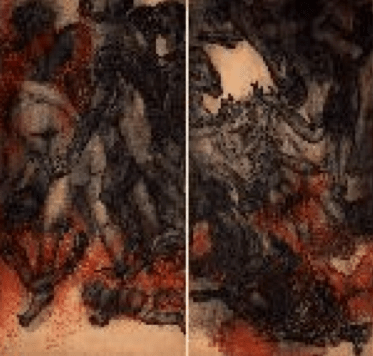
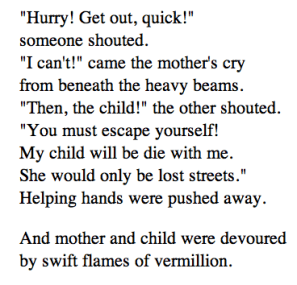
Below, we have created a montage of panels (two at a time) and texts from the Maruki’s stunning representation of atomic incineration, titled:

let1

fire1

fire6

fire2

fire7

fire4

fire8

fire5

The Maruki panels are now on display at the American University museum, not far from where the decision to drop the bomb was made.