Nature In Control

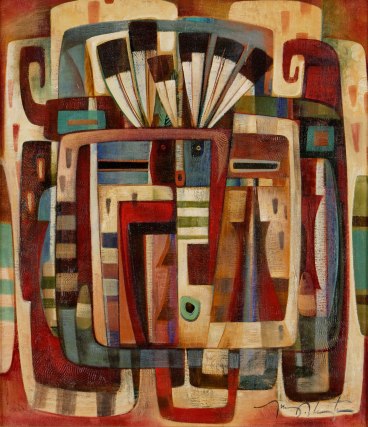
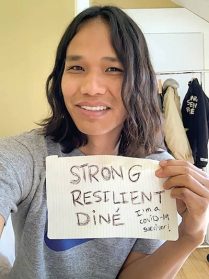
Aware that the pandemic has severely attacked vulnerable communities of color, including tribal communities whose members may not have access to adequate health care nor clean water, we turn to a young voice from the Navajo Nation (Diné), Alastair Lee Bitsóí, relayed from the pages of the Navajo Times. Excerpts below, with images from the studio of Tony Abeyta.


˜˜˜˜˜


Fungus Among Us

With endless rain slowly coming to an end here in the mountains, mushroom foragers are preparing their mud boots for slogs off the beaten trail. Mushroom hunting is an excellent activity during a time of social distancing, since foragers are naturally inclined to steer clear of other humans so as not to divulge their precious discoveries.

Below, a few excerpts from an extraordinary Derrick Jensen interview with master mycologist Paul Stamets dating from 2008, yet still sounding fresh as an April morel. The images are from the hand and eye of Azuma Makoto whose stunning botanical sculptures raise our spirits every time we stumble across them in the fungal forests of the internet.


˜˜˜˜˜


Prelude To What

Now comes philosopher Byung-Chul Han, known for his enquiries into seemingly (and only seemingly) benign themes such as smoothness, tiredness and the culture of “liking”, with a few thoughts on panic, contagion, immunity and resistance. Excerpts below from an essay first published in El País.

Images are relayed from the virtual studio of Lawrence Weiner.


˜˜˜˜˜


A Deadly Thaw

Now comes Dahr Jamail, with a timely and crucial reminder that zoonotic pathogens might be released in the future not only as a consequence of human encroachment on wild habitats, but also as a direct result of climate breakdown.

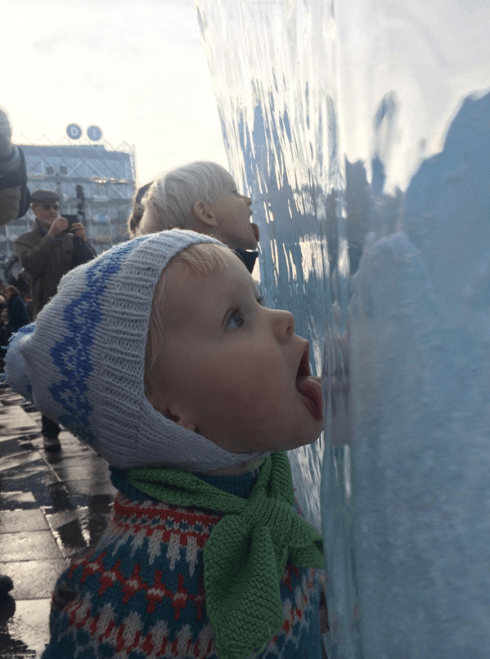
His entire report is worth careful consideration; excerpts below, with Images from installations of Olafur Eliasson’s large scale meltdown, Ice Watch.


˜˜˜˜˜


About Ice Watch, Olafur Eliasson states:


˜˜˜˜˜

What Remains

During a time of year when we are moved to reflect upon themes of rebirth, redemption, sacrifice and regeneration, we turn to the perennial wisdom of Thomas Berry, in a passage from a 1996 lecture at Harvard on Ethics and Ecology. Images are from the stunning growing grass sculptures of Mathilde Roussel-Giraudy.


˜˜˜˜˜

In closing, we offer a poem by Mary Rose O’Reilly in anticipation of new life that shall emerge, in time, from the vessel’s wreck:


˜˜˜˜˜


Walking the Woods

Now comes artist Julie Poitras Santos, with a creative perambulatory digression, as relayed from the pages of the esteemed Brooklyn Rail. Images are from her related video, The Conversation. In times of pandemic, the sense of personal agency experienced via the simple act of walking through the natural world becomes especially precious.


The entire DP staff will now set forth on a slow woodlands ramble, in conversation through uncertainty.


˜˜˜˜˜


Violations of the Commons

Now comes evolutionary biologist Rob Wallace with excerpts from a 2017 interview in which he critiques the search for Patient Zero, and argues for a deeper understanding of zoonotic microbial pathogens. Italics added by DP. Images are relayed from the visually rich archive of Sonja Hinrichsen.


˜˜˜˜˜


Finally, two stanzas from Corona Radiata, a much longer poem by Fady Joudah:


˜˜˜˜˜


Adagio Against Fear

Parallel to the coronavirus pandemic, we have a toxic infodemic that magnifies the sense of helplessness and fear. Here at DP, we struggle every day with the question: what more can we do to help navigate such riptides?

At the very least, we can keep a close ear to those who best understand the genesis of what we are facing, such as the voice of David Quammen whose Spillover: Animal Infections and the Next Human Pandemic was published in 2012. Excerpts from a recent Orion interview below.


˜˜˜˜˜

For a book, we would encourage settling in with Richard Powers’ The Overstory. Two of our favorite quotes below:

“People aren’t the apex species they think they are. Other creatures-bigger, smaller, slower, faster, older, younger, more powerful-call the shots, make the air, and eat sunlight. Without them, nothing.”

“You and the tree in your backyard come from a common ancestor. A billion and a half years ago, the two of you parted ways. But even now, after an immense journey in separate directions, that tree and you still share a quarter of your genes. . . .” 

˜˜˜˜˜

And finally, a link to an outstanding performance of the Albinoni Adagio, offered as protection against useless panic and fear:


˜˜˜˜˜


Sleep of Reason

We begin this week with a favorite passage from Albert Camus’ classic exploration of the psychology of an epidemic, The Plague:


Next come excepts from an interview (2003!) with sociologist Ulrich Beck, who explored related themes of embedded risks and uncontrollability, by other means. Images are bounced from the studio of data artist Laurie Frick, based on visual/material representations of her sleep patterns.


˜˜˜˜˜


And finally, returning to Camus:


Untitled Future Mutation

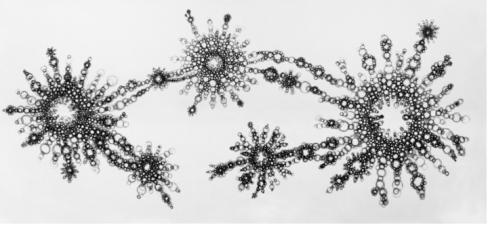
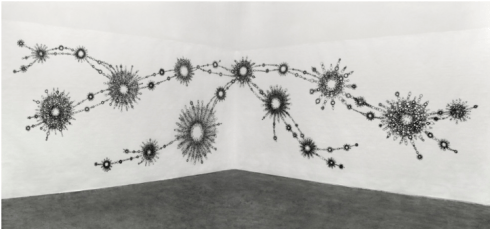
We are grateful to a DP correspondent for steering us towards an outstanding report by Sonia Shah in the pages of The Nation, shedding fresh and necessary light on the genesis of COVID 19 and other microbial pathogens. Excerpts below, with images from the studio of Luke Jerram, offering different perspectives on his sublime Untitled Future Mutation, from which we borrow this week’s title.


Unfortunately, resources for risk reduction have recently been eviscerated by a political entity who appears not to believe in science, any science.  Yet denial and obfuscation only work until blazing realities on the ground clear the fog and make us face the implications and consequences of past behaviors.

Returning to Sonia Shah, whose book titled Pandemic is on order here at DP:


˜˜˜˜˜